Doctor's Office

0322 503 80 70

WhatsApp & Mobile

0543 333 33 34

Comments & Opinions

Patient Testimonials

Water Vapor

Benign Prostatic Hyperplasia (BPH)

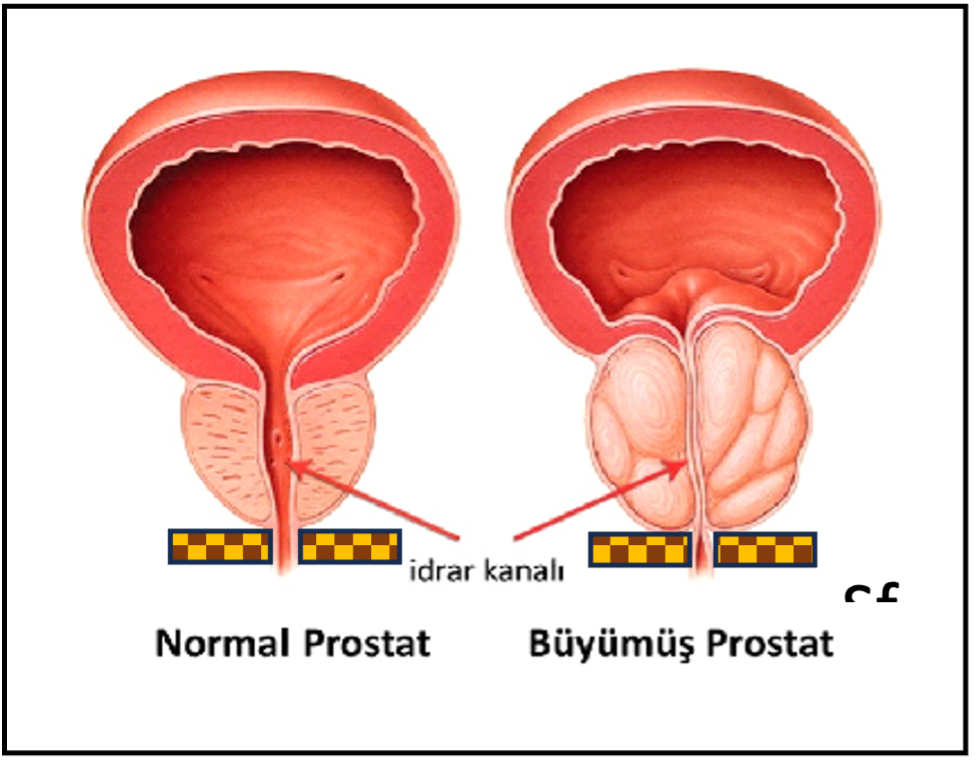
This condition occurs when the prostate, which enlarges with age, blocks the outlet of the bladder and impedes urine flow. Symptoms become more common and more bothersome in many men as they age. Surgical treatment is necessary if at least one of the conditions listed below is present. The goal of surgical treatment is to remove the tissue blocking the urinary tract. 

  • Symptoms do not improve despite medication
  • Presence of a stone in the bladder
  • Persistent bleeding originating from the prostate
  • When kidney failure develops as a result of an enlarged prostate
  • Recurrent inability to urinate and catheterization
  • The presence of recurrent urinary tract infections
What Are the Surgical Options for Benign Prostate Enlargement?

Surgical treatment for an enlarged prostate involves removing the portion of the prostate that has grown and is blocking the urinary tract; there are many methods for this procedure: In line with technological advancements, many different methods have been developed, and the key is to determine which method will yield the best results for each individual patient.

  • TURP – Transurethral Resection of the Prostate
  • Plasmakinetics – Transurethral Bipolar Enucleation
  • HoLEP – Holmium Laser Prostatectomy
  • ThuLEP – Thulium Laser Prostatectomy
  • Greenlight – Laser Prostate Vaporization
  • Steam Therapy 
  • Open Surgery

Steam Therapy: Steam Therapy for Benign Prostatic Hyperplasia

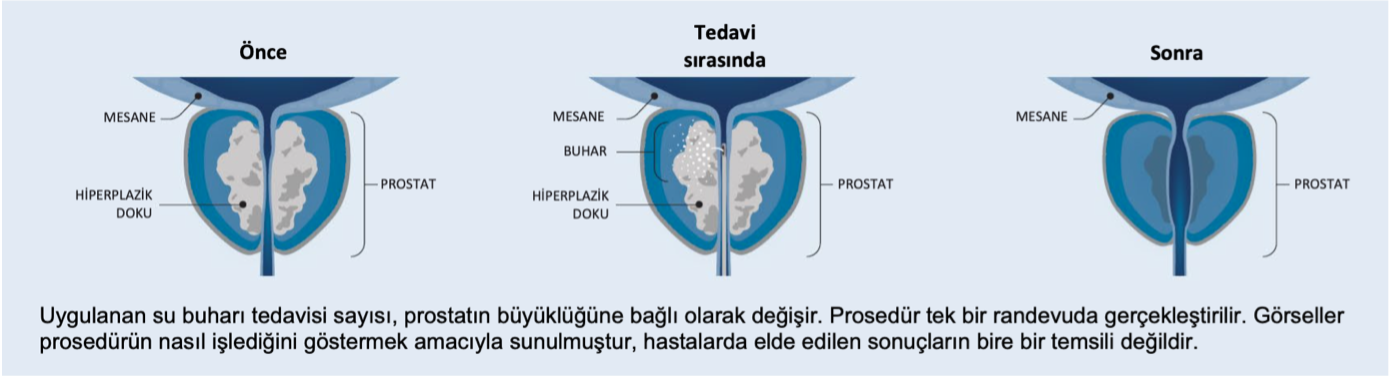
Steam therapy is a minimally invasive procedure used to treat the symptoms of an enlarged prostate, known as benign prostatic hyperplasia (BPH). This treatment involves the use of steam to shrink prostate tissue and alleviate urinary symptoms.
What are the benefits of steam therapy?

Unlike other closed methods, the steam therapy system:

  • It does not require deep anesthesia (general anesthesia)
    • It is safely administered to patients with advanced heart failure and COPD
  • It does not cause bleeding during the surgical procedure
  • The fact that it does not require absolute bladder irrigation via a catheter after the procedure
  • Safe use in patients with cardiac and brain implants
  • Same-day discharge; no hospital admission required
  • The risk of retrograde ejaculation during sexual intercourse after treatment is very low (less than 5%, compared to 70–90% with other methods)
  • No adverse side effects related to sexual function, including penile erection, have been observed

How is steam therapy administered?

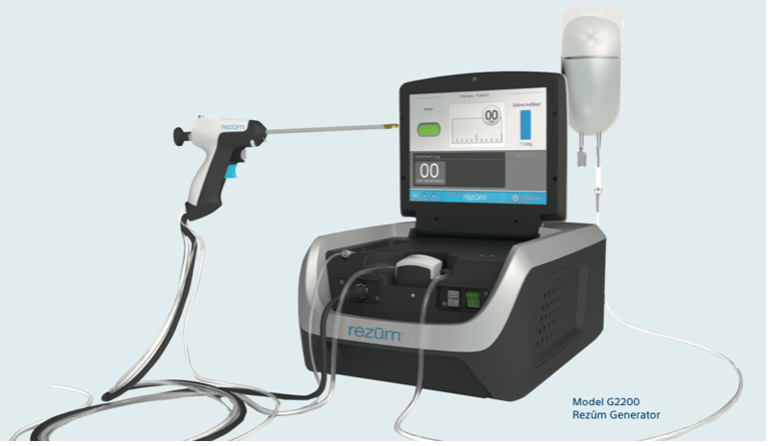
During the procedure, a small device is inserted into the urethra through the tip of the penis and guided to the targeted areas of the prostate. The device delivers hot steam—generated by radiofrequency current—to the targeted areas of the prostate, causing the excess tissue to shrink. This opens up the urinary tract and improves urine flow.

Steam therapy is usually performed under local anesthesia and can be done on an outpatient basis. The procedure typically takes 10–15 minutes to complete, and patients can usually go home the same day.

For which patients is steam therapy used?

Steam system;

  • Individuals with a prostate weight of more than 30 grams
  • Individuals with benign, enlarging prostate tissue
  • Individuals who have difficulty urinating
  • Individuals who have not responded to medication for their symptoms or who do not wish to use medication
  • People with heart and brain implants
  • It can be used safely in many cases, particularly for individuals who do not want their sex life to be negatively affected following surgical procedures.

What Are the Side Effects of Steam Therapy?

Although no serious side effects have been observed with steam therapy;

  • Burning sensation during urination (approximately 17.5%, most common)
  • Blood in the Urine
  • Frequent urge to urinate and a sudden urge to urinate
  • Temporary difficulty urinating or urinary retention
  • The rate of reduced semen volume after sexual intercourse is approximately 4.8%. With other methods, this rate ranges from 70% to 90%.

Conclusion

Steam therapy is considered a safe and effective treatment option for BPH, with a minimal risk of sexual side effects compared to other treatments. It offers a minimally invasive alternative to traditional surgical treatments, alleviating urinary symptoms and improving quality of life in many patients. Most patients experience a noticeable improvement in their urinary symptoms within a few weeks to a few months after treatment.

Send Your Message

    Ali Şahin Design