
Testicular Inflammation
What Is Epididymitis (Orchitis)?
Testicular inflammation, also known as orchitis, is an infection of the testicle caused by bacterial or viral factors.
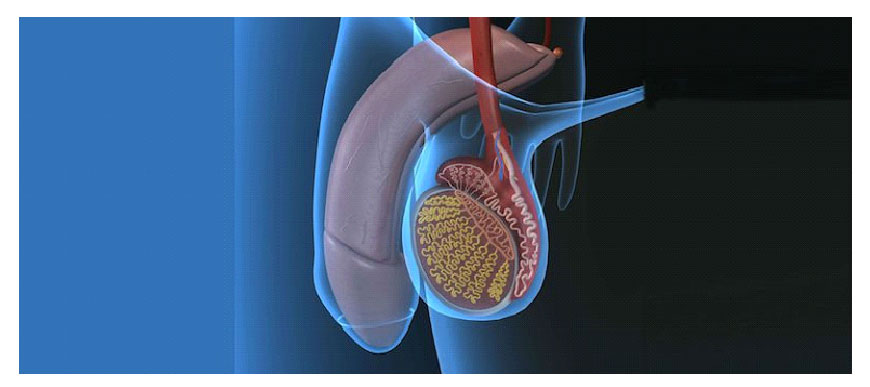
How Does Epididymitis (Orchitis) Develop?
Inflammation of the testicles (orchitis) can result from many different causes. The most common of these are
⦁ The use of urinary catheters,
⦁ The spread of a urinary tract infection to the testicle,
⦁ As a result of sexually transmitted diseases,
⦁ The spread of a prostate-related urinary tract infection to the testicles in older adults,
⦁ Causes such as mumps infection.
Orchitis, or inflammation of the testicles, is a disease caused by infection and can therefore spread rapidly through the bloodstream or through sexual contact. For this reason, there is a risk of developing orchitis even independently of the factors mentioned above.
What Are the Symptoms of a Ureteral Infection?
The symptoms of orchitis vary depending on the severity of the infection. However, the most common symptoms are as follows:
⦁ Severe pain in one or both testicles
⦁ Swelling or redness in the area where pain is felt
⦁ Burning sensation in the urinary tract
⦁ Difficulty urinating
⦁ Nausea
⦁ Vomiting
⦁ Diarrhea
How Is Orshit Diagnosed?
In patients with suspected ovarian cysts, a physical examination of the ovaries should be performed after taking a detailed medical history. Next;
⦁ Urinalysis,
⦁ Urine culture,
⦁ Semen analysis,
⦁ Blood test,
⦁ Testicular ultrasound examinations are required.
These tests—particularly a testicular ultrasound—are used to differentiate testicular cancer from other conditions that may present similarly.
What Kind of Problems Does Testicular Inflammation Cause?
A prolonged or untreated case of testicular inflammation can cause damage to the testicular tissue, which may lead to infertility. Similarly, in mumps orchitis—a condition known to be caused by a viral infection—the resulting damage may reduce or completely halt sperm production. This, too, can lead to infertility.
In cases of orchitis that go untreated for a long time, there is also a risk of testicular cancer.
How Is Orshit Treatment Performed?
Treatment for orchitis begins with determining the type of the condition. Depending on the type, both viral and bacterial treatments are available. For viral orchitis, pain relievers are sufficient. With regular use of the prescribed pain relievers, treatment is typically completed within 3–4 days.
In cases of bacterial orchitis, antibiotic treatment is required in addition to pain relievers. This treatment typically lasts 10–15 days, and successful outcomes are usually achieved.
If the condition is left untreated for various reasons, there is a risk of it developing into cancer. Therefore, if you have ever experienced any of the symptoms mentioned above in your testicles, you should see a urologist as soon as possible.
Send Your Message