Doctor's Office

0322 503 80 70

WhatsApp & Mobile

0543 333 33 34

Comments & Opinions

Patient Testimonials

Daytime Urinary Incontinence

What Is the Importance of Urinary Disorders?

Urinary disorders are a group of conditions that can be easily treated or prevented—provided they are diagnosed in a timely manner. Because of both the disorders themselves and the secondary complications they can cause, they are a major concern for many children and families today. For this reason, they are one of the key areas of focus in pediatric urology.

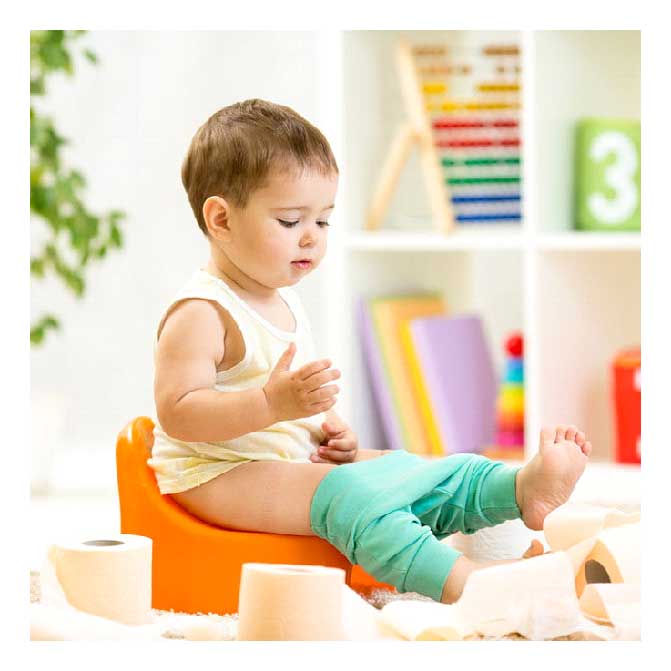
How Can Children Learn to Use the Toilet?

Newborn babies urinate as soon as their very small bladders fill up. However, because they also contract the sphincters that help them hold their urine at the same time, they cannot completely empty their bladders. As the baby grows, the bladder increases in size. At the same time, the child learns to control the bladder and sphincter and coordinate their functions. In this way, the child begins to urinate by contracting the bladder and relaxing the sphincter at the appropriate time and place, and to hold urine by relaxing the bladder and contracting the sphincter at other times. For children to learn to hold their urine, communication must be established between the brain and nervous system and the bladder—in other words, the brain must learn to control the bladder. Full control may not be achieved until the age of 4. Proper toilet training provided during the process of learning bladder control will ensure that these structures function properly and healthily at the right time.

When Should Potty Training Begin for Children?

Potty training is an important developmental milestone in a child’s life, and it can begin once the child turns 2 years old. However, it is important to remember that it is considered normal if the child is not fully potty-trained until they turn 4. Therefore, there is no need to rush the process; instead, parents should wait until both the mother and the child are ready.

Daytime Urinary Incontinence

Daytime bedwetting and urinary problems in children are very common, affecting approximately one in five school-aged children. The most common urinary problems include a sudden urge to urinate, inability to reach the bathroom in time, urinary incontinence, urinary tract infections, and urine-holding maneuvers. In most cases, these symptoms result from the bladder not growing fast enough as children develop and from impairments in bladder storage function. On the other hand, daytime urination problems may occur alongside bedwetting, and treatment can resolve both conditions.

What Causes Urinary Incontinence in Children?

The symptoms of urinary disorders are listed below. If your child exhibits any of these symptoms, you should consult a pediatric urologist:

⦁ Daytime and/or nighttime urinary incontinence
⦁ Urinary tract infection
⦁ Frequent urination
⦁ Sudden urge to urinate
⦁ Pain while urinating
⦁ Difficulty starting to urinate
⦁ Straining to urinate
⦁ Intermittent urination
⦁ Squatting or crossing your legs
⦁ Abdominal or side pain while urinating
⦁ Infrequent urination (3–4 times a day or less)
⦁ The urge to urinate again shortly after urinating
⦁ Dribbling after urinating and standing up
⦁ Constipation: often accompanies urinary problems and makes the condition worse.

How Is Urinary Incontinence Treated?

The goal of treatment is to identify your child’s voiding disorder early and begin treatment promptly, in order to prevent permanent damage to the urinary system (urinary tract) through timely diagnosis and monitoring.
Your doctor will use one or more of the following treatment methods. The method chosen depends on the type of voiding disorder your child has and the stage of the condition.

⦁ Prevention and treatment of constipation.
⦁ Toilet training: This training is provided to help your child learn to urinate normally. Through this training, urination intervals, duration, and position are regulated, and the child is taught to properly relax their sphincter during urination. Correcting posture can be achieved by placing a footstool under the feet
. An improper urination posture—such as keeping the knees together—can also be corrected by having the child sit facing the wrong way on the toilet
⦁ Medication: This is added to the treatment when necessary.
⦁ Urinary tract infections are prevented and treated if present.
⦁ If there are established urinary tract abnormalities (such as backflow from the bladder to the kidneys [vesicoureteral reflux] or kidney damage), the necessary interventions are performed.

Send Your Message

    Ali Şahin Design