Infertility
- What Is Infertility?
- What Are the Causes of Male Infertility?
- How Is Male Infertility Diagnosed?
- Infertility Evaluation
- How Is Infertility Treated?
- Drug Therapy
- Artificial Insemination
- Treatment Methods for Male Infertility Using Assisted Reproductive Technologies
- Micro-TESE Treatment, Known as Infertility Surgery
- Surgical Treatment of Male Infertility
What Is Infertility?
More than half of the causes of infertility in couples are due to male factors. Even in completely healthy couples with no underlying issues, the probability of conceiving after 6 months of regular intercourse is 60–70 percent, and this rate reaches 90 percent by the end of one year. For this reason, infertility is defined as the inability to conceive despite one year of regular, unprotected sexual intercourse.
What Are the Causes of Male Infertility?
The primary causes of male infertility include structural abnormalities in the reproductive organs, sperm-related issues, hormonal problems, and functional disorders such as erectile dysfunction.
How Is Male Infertility Diagnosed?
When pregnancy cannot be achieved through natural methods, the following tests and examinations are performed to diagnose suspected male infertility:
⦁ Physical examination and medical history,
⦁ Semen analysis to check for abnormalities in the semen sample,
⦁ Blood tests to assess hormone levels,
⦁ Genetic tests
⦁ A testicular biopsy to determine whether the ducts within the testis contain sperm,
⦁ An ultrasound scan is ordered to visualize reproductive organs such as the testicles and the prostate gland.
Infertility Evaluation
Individual differences (such as a woman’s age, social preferences, or the presence of known risk factors) make it possible to conduct an infertility evaluation at an earlier stage. Infertility treatment—which is often misunderstood by many families—does not consist solely of in vitro fertilization (IVF) procedures. Identifying the underlying cause of infertility is the first step in treatment. Furthermore, the fact that life-threatening conditions are detected in approximately 1% of patients during the evaluation of male infertility alone underscores the importance of this evaluation once again.
The first step in infertility evaluation is to identify and correct any potential issues in the couple’s sexual life. Sperm cells can remain viable inside the woman’s uterus for 2 to 5 days. For this reason, it is recommended that couples have intercourse every other day during the woman’s ovulation period.
While having sex more frequently can reduce the number of sperm transferred, having sex less frequently can result in missing the ovulation window. Lubricants used during sex may have a harmful effect on sperm quality. For this reason, it is recommended that couples trying to conceive avoid using them.
Many illnesses experienced during childhood and adulthood can contribute to male infertility. While testicular torsion, groin surgeries, or mumps contracted after puberty may be associated with infertility, diabetes, thyroid disorders, nervous system disorders, and cancers can also cause male infertility. In addition, medications, environmental factors, and exposure to chemicals can impair sperm quality and lead to infertility. Another factor that is often overlooked is smoking. Scientific studies have shown that in men who smoke regularly, sperm count, motility, and quality are impaired. For this reason, smoking should be discontinued not only to reduce the risk of infertility but also to improve the success rates of assisted reproductive technologies.
Sperm analysis (spermiogram) is crucial in the evaluation of male infertility. While a properly collected sperm sample can provide vital information about infertility, an improperly collected sample may lead to unnecessary further testing. For this reason, patients must understand the collection procedure and follow the guidelines. Sexual abstinence is required for 2–7 days (on average 3–4 days) prior to providing the sample for a semen analysis. Masturbation is the most commonly used method for ejaculation, and chemical lubricants should not be used during this process.
Some patients’ attempts to collect a sample using the withdrawal method may lead to inaccurate results due to insufficient material. Sperm must be ejaculated into a sterile container suitable for sampling, which will be provided by the laboratory. The collected sample must be delivered to the laboratory without delay. Under normal conditions, the maximum waiting time is 1 hour; test results may vary if this time is exceeded. Sperm analysis is evaluated according to the criteria established by the World Health Organization. However, values above the specified thresholds do not definitively indicate fertility, nor do values below them definitively indicate infertility. Patients with abnormal results should have their semen analysis re-evaluated at least 3 weeks later. Further evaluation may be conducted based on risk assessment and test results, and this process must be carried out entirely under the supervision of urologists.
Only 3% of male infertility cases are caused by hormonal disorders. For this reason, the role of hormonal medications—which are often used indiscriminately by many people—in infertility treatment is quite limited, and they should be administered only to patients who truly need them. The goal of infertility treatment is to help families have healthy children. However, during this process, it is essential to select cost-effective, appropriate treatment methods and to ensure that family members are not harmed during treatment. To achieve all of this, the correct evaluation must be performed by qualified professionals.
The absence of sperm cells in the ejaculate is referred to as “azoospermia” and can result from hormonal causes, testicular tissue-related issues, or damage to the sperm transport pathways. Another condition is “oligospermia,” defined as having fewer than 20 million sperm cells per milliliter of ejaculate. Identifying the cause in these patients is more difficult, and in some cases, the cause may not be fully determined. While a decrease in sperm count can cause male infertility, impaired sperm motility and structure can also lead to infertility in men. On the other hand, there are also couples who are unable to conceive even though their sperm parameters are normal. Ultimately, every identified characteristic must be carefully evaluated, as it could be a sign of a medical condition.

How Is Infertility Treated?
The approach to infertility treatment varies depending on the cause of infertility and whether or not there are sperm in the semen. The following is a list of infertility treatment options for men:
- Medication for infertility
- Artificial insemination as a treatment for infertility
- Assisted reproductive technologies: In-vitro fertilization (IVF), commonly known as “test-tube baby,”
- Intracytoplasmic Sperm Injection (ICSI), Microinjection of Sperm Selected Under High Microscopic Magnification (IMSI)
- Micro-TESE Surgical Treatment, Known as Infertility Surgery
Drug Therapy
When it comes to hormonal disorders, medication is usually the treatment of choice. When the levels of hormones that regulate sperm production decrease, replacing these hormones helps restore sperm production. In this condition, known as hypogonadotropic hypogonadism, sperm production can be restored following medication treatment that may last up to two years; this makes it possible to achieve pregnancy either naturally or through in vitro fertilization (IVF).
Artificial Insemination
If the sperm count in the semen is over 10 million and there are no severe morphological defects
, intrauterine insemination (IUI) may be performed. Sperm obtained from the man is washed to remove dead cells and
toxic waste products. This increases the proportion of high-quality sperm, which is then delivered
through the woman’s cervix using a special catheter. The sperm then reach the egg.
Treatment Methods for Male Infertility Using Assisted Reproductive Technologies
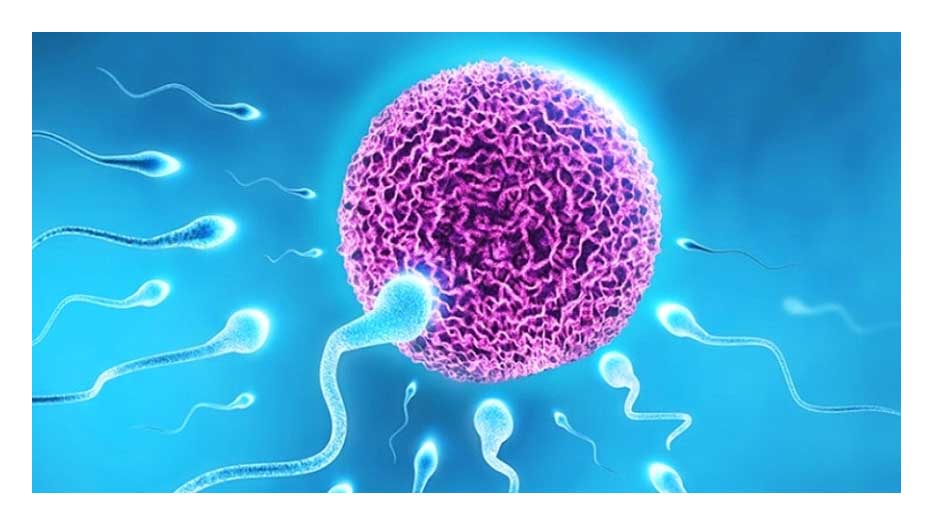
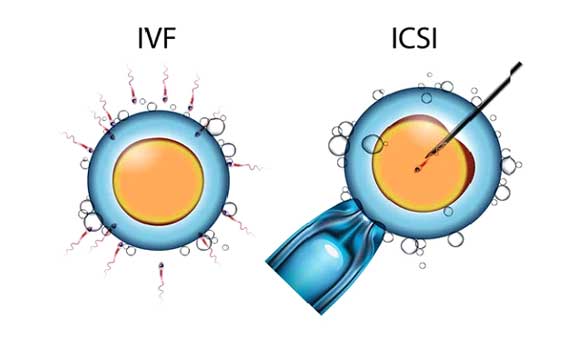
In-Vitro Fertilization (IVF): This method is commonly known as “test-tube baby.” Unlike artificial insemination, in this treatment method, an egg retrieved from the woman is combined in a test tube with sperm retrieved from the man, which has been purified to remove dead and waste cells.
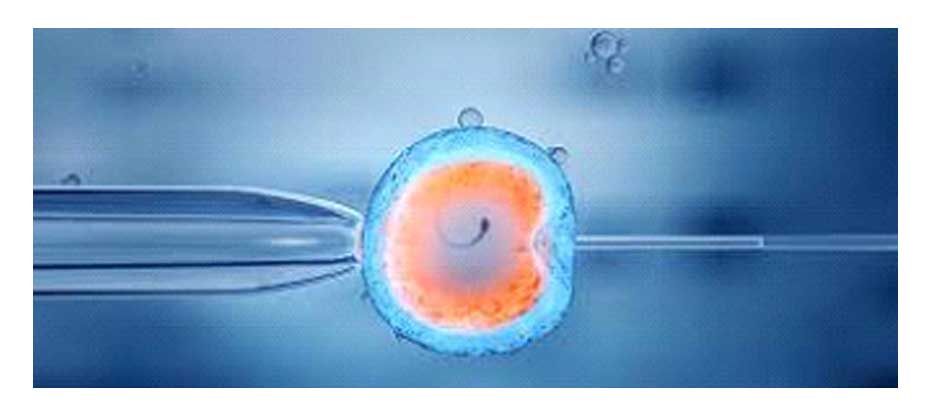
Intracytoplasmic Sperm Injection (ICSI): In this treatment method, known as microinjection , sperm obtained from the man are examined under a microscope, and the sperm with the most normal shape are selected. These selected sperm are then injected one by one into the egg obtained from the woman.
IMSI (Intracytoplasmic Morphologically Selected Sperm Injection): While sperm are selected under a microscope at approximately 400x magnification during IVF treatment, in a method called IMSI, sperm are magnified 7,200x under specialized microscopes and can be examined and selected in greater detail. This method facilitates the detection of structural abnormalities in sperm that might otherwise be overlooked, ensuring that sperm that are structurally and genetically healthier can be selected.
Micro-TESE Treatment, Known as Infertility Surgery
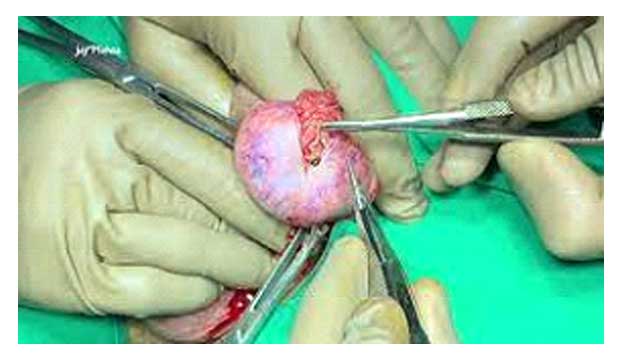
Micro-TESE, which can be defined as the process of retrieving sperm from tissue taken from the testicles of patients with no sperm cells in their semen through a microsurgical procedure, is performed under general anesthesia. After the testicle is opened, the spermatic ducts are examined, and an attempt is made to retrieve sperm from them once full ducts are visualized. The surgery, which continues until sperm is found, can last an average of about 2 hours.
Surgical Treatment of Male Infertility
Male infertility can result from a variety of anatomical or functional disorders.
Identifying the cause is crucial for determining the appropriate treatment. This is because each specific cause may require a different treatment approach.
In recent years, innovations in technology and science have made it possible for men to become “fathers” even in cases of medical conditions where having children was considered impossible just 10 years ago. With each passing day, research in this area continues to offer hope to families facing infertility issues.
The key consideration during treatment is to apply the most appropriate method without causing harm to the individual. This, in turn, depends on proper assessment and accurate identification of the cause.
In the past, testicular biopsy was used solely for diagnostic purposes; today, it is used for both diagnostic and concurrent therapeutic purposes. In patients with normal testicular size and consistency, and no detected abnormalities in hormone levels, who are azoospermic (i.e., have no sperm in their ejaculate), it is used to determine whether the cause originates in the testis or in another anatomical location.
At the time of a testicular biopsy, it is necessary to ensure that a suitable environment is available for storing sperm cells. Today, biopsies are not recommended solely for diagnostic purposes. Marking the area where sperm cells are located is very important for identifying a sperm source for assisted reproductive techniques should the need arise in the future.
Although there are many medications on the market that claim to offer a definitive solution to male infertility, none of these treatments have been scientifically proven to be effective.
Although medication can be administered under a doctor’s supervision for a certain group of patients, surgical methods are the primary treatment for male infertility.
There are many surgical procedures that can be performed depending on the cause of infertility. As mentioned earlier, male infertility results from diseases that may affect the brain, testicles, and sperm-carrying pathways. Surgical treatments for diseases in these areas vary and are tailored to the specific cause.
These microsurgical procedures, which are technically challenging to perform, can have varying success rates depending on the skill of the surgeon.
Send Your Message