Doctor's Office

0322 503 80 70

WhatsApp & Mobile

0543 333 33 34

Comments & Opinions

Patient Testimonials

Prostate Cancer

What Is Prostate Cancer?

Prostate cancer is the most common cancer in men; it originates in the prostate gland and generally progresses slowly. However, some aggressive forms can spread rapidly if not diagnosed early. Early diagnosis, accurate staging, and appropriate treatment significantly improve patients’ life expectancy and quality of life.
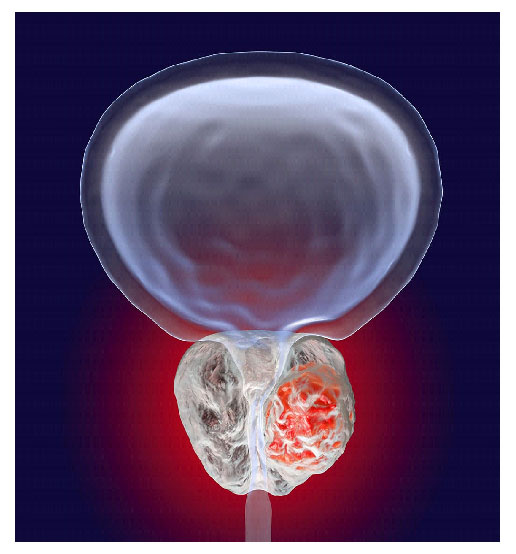
Prostate Diagnosis of Prostate Cancer How Is It Diagnosed?

Prostate cancer often progresses without causing any symptoms. For this reason, screening tests and early diagnosis are of great importance.

Prostate What Are the Screening Methods for Prostate Cancer?

Prostate cancer screening refers to procedures that use tests to assess risk before the disease shows any symptoms.


1) PSA (prostate-specific antigen) test

  • PSA is a protein produced by prostate cells, and measuring its level in the blood can help assess the risk of prostate cancer.
  • Normal PSA levels vary by age. They are generally below 2.5 ng/ml, but may vary depending on age.
  • An elevated PSA level may be caused not only by prostate cancer but also by benign prostatic hyperplasia (BPH) or prostatitis.


2) Digital Rectal Examination (DRE)

  • The doctor examines the prostate by feeling it through the rectum to determine if there are any hardened or irregular areas.
  • Diagnostic sensitivity increases, especially when used in conjunction with the PSA test.

Prostate Methods Used for Definitive Diagnosis of Prostate Cancer What Are They?

If the PSA level is high or a suspicious mass is felt during a digital rectal exam (DRE), further tests are performed:


1) Multiparametric Prostate MRI (MPMRI)

  • High-resolution MRI imaging is used to identify suspicious areas within the prostate.
  • It reduces the need for a second biopsy, particularly in patients with elevated PSA levels who have a negative biopsy result.


2) prostate biopsy

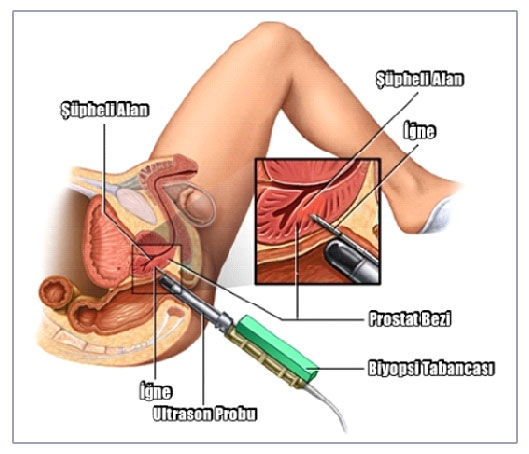
  • Standard transrectal ultrasound (TRUS) biopsy: A sample of prostate tissue is taken through the rectum under ultrasound guidance.
  • fusion biopsy: a targeted biopsy method that combines MRI and ultrasound images.


3) Gleason Score (Assessing Cancer Aggressiveness)


The Aggressiveness of Cancer Is Determined Based on the Microscopic Structure of Prostate Tissue Obtained via Biopsy:

  • Gleason 6 (Low-Risk): Slow-Growing Cancer.
  • Gleason 7 (Moderate Risk): Moderately Aggressive Cancer.
  • Gleason 8–10 (High-Risk): Rapidly Progressing Aggressive Cancer.


4) PSMA PET-Screening

  • It is one of the most sensitive imaging methods for assessing the spread of cancer.

•It is used specifically to screen for metastases, particularly in cases of high PSA levels.
What Are the Stages of Prostate Cancer?

Treatment is guided by determining the extent of the disease through prostate cancer staging.


Stage Definition and Treatment Options

Stage 1: Cancer Confined to the Prostate, No Symptoms, Slightly Elevated PSA: Active Surveillance, Surgery, Radiation Therapy

Stage 2 Prostate Cancer: Confined to the Prostate but Enlarged—Surgery (Robotic Prostatectomy), Radiation Therapy

Stage 3 Cancer: Has Spread Beyond the Prostate and Reached the Lymph Nodes; Surgery + Hormone Therapy, Radiation Therapy

Stage 4 Cancer Has Spread to the Bones and Other Organs (Metastatic) Hormone Therapy, Chemotherapy, Targeted Therapies

Prostate How Is Prostate Cancer Treated?

Treatment for prostate cancer is determined based on the patient's age, the extent of the cancer, and his overall health.


  1. A) Treatment for Low-Risk Prostate Cancer


✔ Active Surveillance

  • To prevent unnecessary treatment for slow-growing, low-risk cancers, patients are monitored with regular PSA tests, MRIs, and biopsies.
  • If the disease progresses, treatment will involve surgery or radiation therapy.


  1. B) Treatment of Intermediate- and High-Risk Prostate Cancer


  1. Surgery: radical prostatectomy


  • Robotic Surgery (Da Vinci System):

✔ Less bleeding and pain.

✔ Better bladder control and a better chance of maintaining erectile function.

✔ Faster recovery.

  • open or laparoscopicprostatectomy:
  • Compared to robotic surgery, there may be a longer recovery time and more complications.


2) Radiation Therapy


✔ IMRT (intensity-modulated radiation therapy)

✔ Brachytherapy (internal radiation therapy)

✔ Proton therapy (causes less damage to surrounding tissues)

How Is Advanced Prostate Cancer Treated?

✔ Hormone therapy (androgen deprivation therapy – ADT)

  • It slows the growth of cancer by stopping testosterone production.
  • LHRH analogs (leuprolide, goserelin) are used.
  • Side effects: loss of sexual desire, bone loss, hot flashes.

✔ Chemotherapy (for patients with advanced-stage disease)

  • Drugs such as docetaxel and cabazitaxel are used in patients with metastatic disease.

✔ Targeted therapies

  • PSMA-based radioactive therapy (lutetium-177 PSMA)
  • PARP inhibitors (olaparib, rucaparib)

✔ Immunotherapy (strengthening the immune system)

• Some vaccine therapies, such as Sipuleucel-T (Provenge), are used.

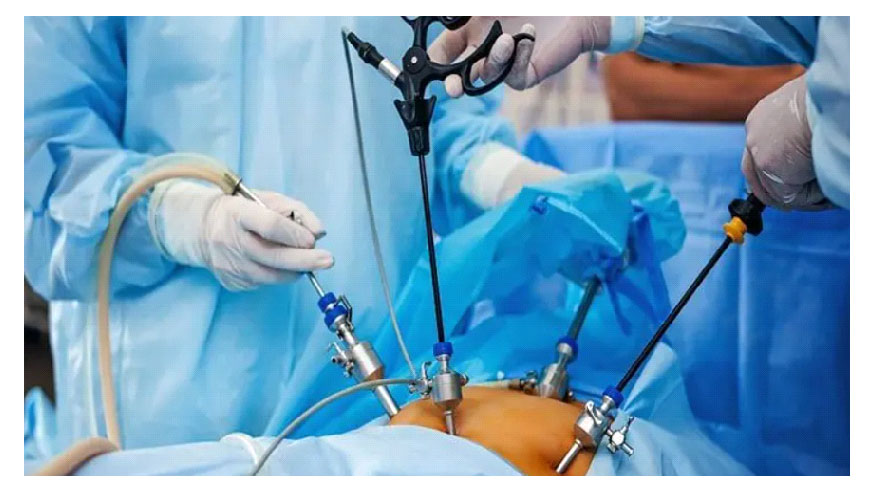
Laparoscopic (minimally invasive)

How Does Prostate Cancer Affect Quality of Life?

✔ Urinary control:

  • Kegel exercises help reduce urinary incontinence.
  • Advanced surgical techniques minimize this side effect.

✔ Erectile Dysfunction (Erection Problems):

  • PDE5 inhibitors (Viagra, Cialis)
  • penile injections or vacuum devices, shock wave therapy
  • penile prosthesis (for advanced cases)

✔ Nutrition and exercise:

  • Foods containing lycopene (tomatoes, pomegranates) and green vegetables are recommended.
  • Regular walking and exercise can slow the progression of cancer.

Conclusion

If prostate cancer is diagnosed early, it can be successfully managed with surgery, radiation therapy, or active surveillance. In patients with metastatic disease, hormone therapy, chemotherapy, and targeted therapies may be effective.

Please contact us for detailed information based on the patient’s condition and the nature of the illness.

Send Your Message

    Ali Şahin Design