Da Vinci Robotic Surgery | Adana Robotic Surgery

What Is the Da Vinci Surgical System?
Robotic surgery was first developed by researchers at NASA’s
Research Center to perform surgeries on astronauts in space
. It was first tested in 1997 during a robotic
cholecystectomy (gallbladder surgery) and was approved for medical use in 2000 by the U.S.
Food and Drug Administration (FDA).
The Robotic Surgical System is an advanced technology based on the laparoscopic
surgical technique, enabling surgeons to perform operations
with fewer incisions. Offering superior 3D
imaging, this system is a laparoscopic surgical platform equipped with precise and highly maneuverable instruments
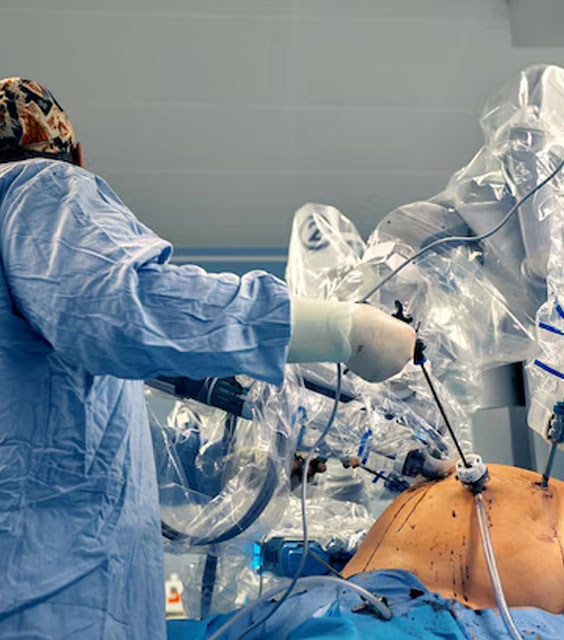
. The robot’s arms are connected to devices called trocars, which are inserted through 8–12 mm incisions in the abdominal region
during surgeries such as urological procedures
. The surgeon performs the surgery by controlling the robot from a console
without touching the patient.
The da Vinci Surgical System has been successfully used for over 25 years in many medical specialties, including general surgery, gynecology, urology, thoracic surgery, ENT, and pediatric surgery
.
Used in more than 12 million surgeries worldwide, this system
offers surgeons the advantage of great precision and control during surgery.
The Da Vinci Robotic Surgical System consists of three main components.
Patient-Side Unit:
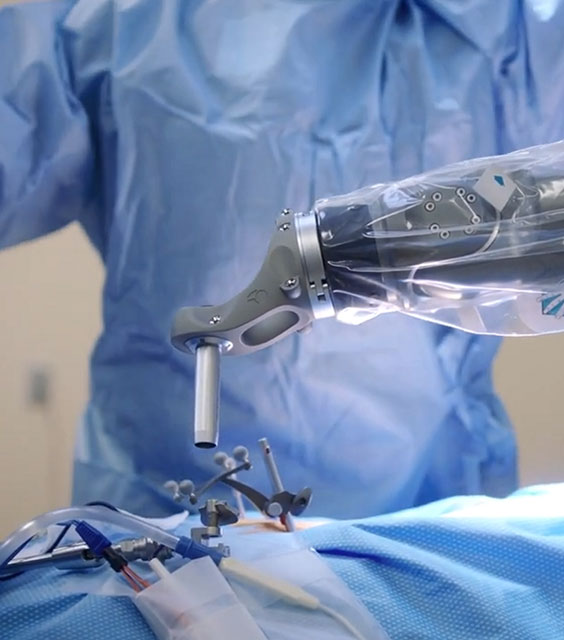
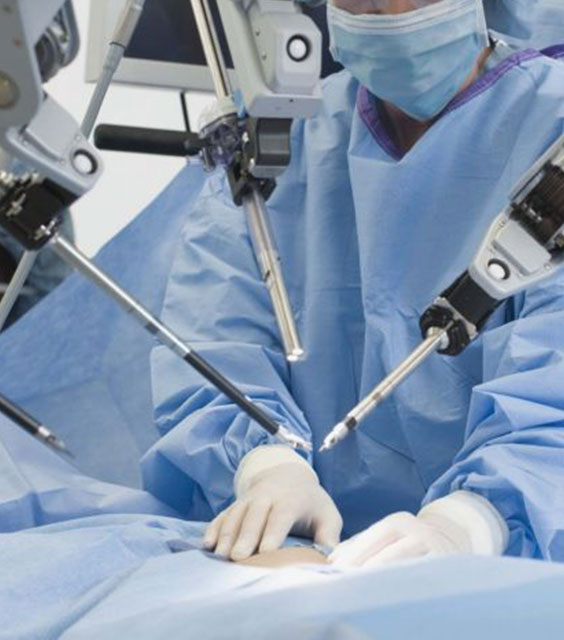
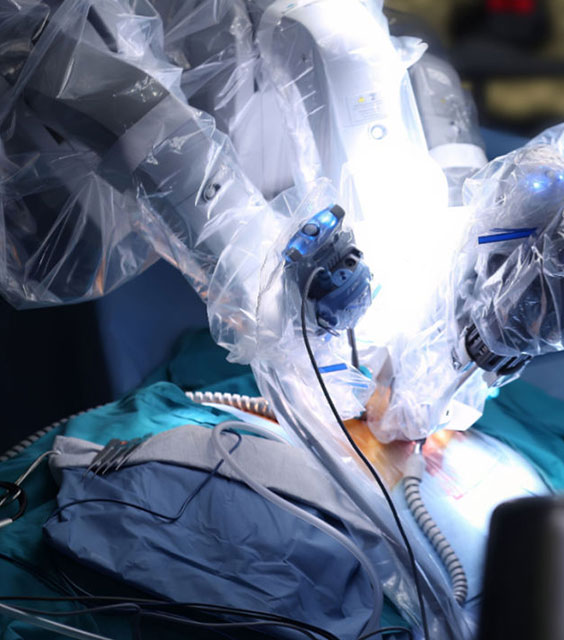
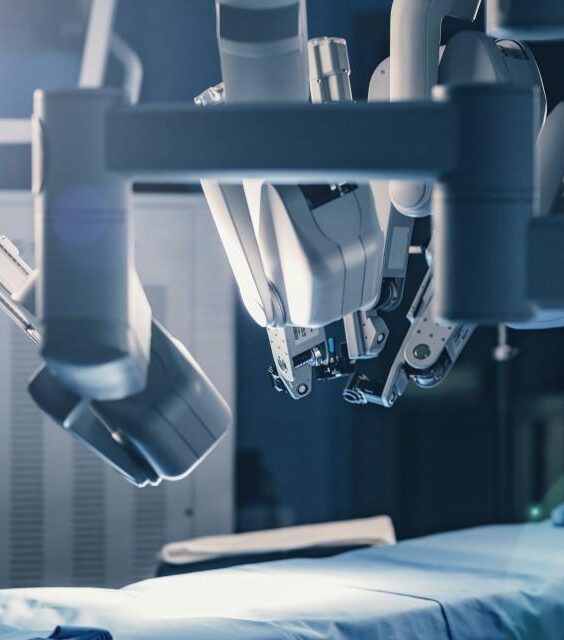
The Patient Station is the main unit where the surgical procedure is performed directly; it is where the robotic surgical system establishes a physical connection with the patient. This unit contains a total of four robotic arms. One of the arms is equipped with a high-resolution endoscope that provides 3D imagery. The other three arms are equipped with surgical instruments controlled by the surgeon. These arms are designed to perform movements that are more precise and delicate than what the human hand can achieve. Each arm enables access to narrow areas of the surgical site and facilitates the more effective performance of minimally invasive procedures.
Surgeon's Console:
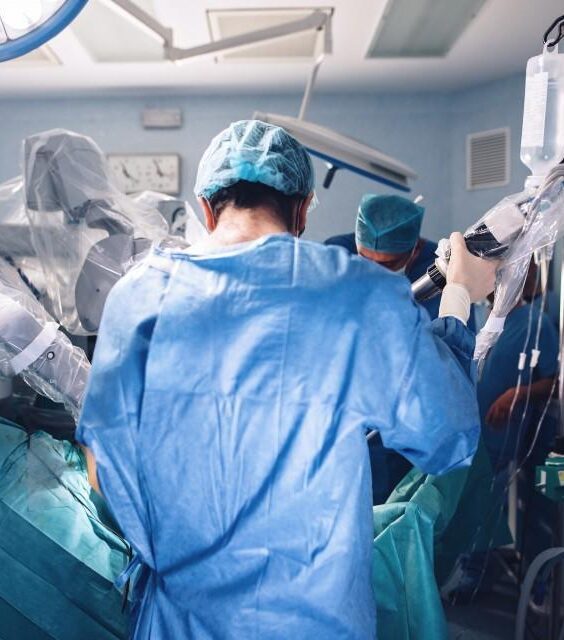
The Surgical Console is the main unit from which the surgeon performs the surgery and controls the robotic arms. Seated at this console, the surgeon monitors and manages the operation via a high-resolution, 3D stereo imaging system. The imaging system provides the surgeon with a wide-angle view of the surgical field, complete with a sense of depth. The console is ergonomically designed to allow the surgeon to work in a comfortable position. Zoom, focus, and image adjustments can be made via the touchscreen panel on the console. Foot pedals are also available for precise control of surgical instruments. These pedals allow the surgeon to provide additional control independent of hand movements during the operation.
Observation Tower:
The Imaging Tower is the unit that enables the robotic system’s visual processing and serves as the location where endoscopic images are processed and displayed during surgery. The tower houses the processing unit to which the endoscope is connected. This processor provides a clear, high-resolution, real-time image of the surgical site. In addition, the tower includes a unit that supplies energy during surgery. Using the touchscreen, the surgeon or assisting staff can easily adjust imaging and energy settings. Connected to other components via fiber-optic cables, this system ensures a seamless flow of data and energy, enabling the surgeon to maintain uninterrupted imaging and control throughout the procedure.
For Which Conditions Is Robotic Surgery Used?
Robotic surgery is effectively used to treat various diseases in many medical fields, such as urology, obstetrics and gynecology, general surgery, otolaryngology, cardiovascular surgery, and thoracic surgery.
Robotic surgery, with its wide range of applications, enables surgeons in many medical specialties to perform more precise, controlled, and safe procedures, while also helping patients recover more quickly.
How Does Da Vinci Robotic Surgery Differ from Traditional Methods?
Da Vinci robotic surgery offers significant differences compared to traditional surgical methods:
Fewer Cuts:
While traditional surgery involves larger incisions, Da Vinci robotic surgery uses minimally invasive techniques to make much smaller incisions. This speeds up the recovery process and reduces the risk of infection.
3D Imaging:
The Da Vinci system provides the surgeon with high-resolution 3D and magnified images. This allows the surgeon to see the surgical site in greater detail. With traditional methods, however, the surgeon’s view is more limited.
Precision and Control:
The arms of robotic surgery have a much greater range of motion and are far more precise and flexible than the human wrist. This allows the surgeon to reach more difficult-to-access areas and perform more precise procedures. In traditional surgery, this level of precision and flexibility is more limited.
Less Pain and Faster Recovery:
Because of the smaller incisions, patients experience less postoperative pain and recover more quickly. In traditional surgery, however, the recovery process may take longer due to the larger incisions.
Less Blood Loss:
Because robotic surgery allows for more precise manipulation of tissues, there is less blood loss during the procedure. In traditional methods, the rate of blood loss is generally higher.
Surgeon's Comfort:
The Da Vinci system allows the surgeon to perform the surgery from a seated position at a console. In traditional surgery, the surgeon must stand for long periods, which can lead to fatigue and loss of concentration.
These differences make Da Vinci robotic surgery a safer, more effective, and more comfortable option in many cases.
The Da Vinci Robotic Surgical System: Advanced Technology and Benefits
Stapler Technology: Da Vinci’s staplers are equipped with microsensors that measure tissue thickness more than 1,000 times per second and relay the data to the surgeon. This enables safer cutting and closing procedures.
Energy Devices: These devices provide effective and safe vessel sealing using wrist articulation. Powered by a generator, they allow the energy level to be adjusted directly from the surgeon’s console. This helps preserve nerve tissue, thereby protecting sexual function, urinary system function, and sensory function.
Use of 3D Optics: 3DHD vision and depth perception enable clear identification of tissues within the anatomy. High magnification and zoom capabilities allow the surgeon to have a better view during surgery.
Firefly Fluorescence Imaging: Using near-infrared technology, it visualizes blood flow in blood vessels as well as tissue and organ perfusion. It guides surgical decisions during lymph node dissection and cancer surgery.
The Da Vinci robotic surgical system is a state-of-the-art device developed as part of minimally invasive surgery, offering surgeons the ability to perform surgeries with greater precision and control. It has brought about a major revolution, particularly in the field of urology. The Da Vinci system is one of the most widely used robotic surgical systems in urological procedures and is effectively utilized in the treatment of many urological conditions, such as prostate cancer, kidney diseases, and bladder cancer.
The Use of Da Vinci Robotic Surgery in Urology
Robotic surgery is particularly preferred for urological procedures because these operations are typically performed in hard-to-reach and delicate areas. The da Vinci system allows the surgeon to have greater control in these challenging areas. The most common applications of robotic surgery in urology include:
- Robotic Radical Prostatectomy
- Robotic Partial Nephrectomy (Removal of Only the Cancerous Portion of the Kidney)
- Robotic Radical Nephrectomy
- Robotic Pyeloplasty
- Robotic Radical Prostatectomy + Artificial Bladder
- Robotic Retroperitoneal Lymph Node Dissection
The Advantages of Da Vinci Robotic Surgery
The main advantages of the Da Vinci system in urological surgery are as follows:
- Minimally Invasive (Less Invasive):
- Instead of the large incisions made in traditional open surgery, robotic surgery requires only a few small incisions. This reduces postoperative pain, scarring, and the recovery time.
- Less Blood Loss:
- Thanks to small incisions and precise surgical techniques, there is less blood loss during surgery, which reduces the need for blood transfusions.
- Quick Recovery:
- Thanks to minimally invasive surgery, patients recover more quickly and can return to their normal activities sooner. In addition, hospital stays are generally shorter.
- More Precise Surgery:
- The Da Vinci system allows the surgeon to perform more precise procedures by magnifying and filtering the surgeon’s hand movements. This reduces the likelihood of damaging surrounding tissues and improves functional outcomes.
- High-Resolution Imaging:
- During surgery, the surgeon views the organs and tissues in 3D and at high resolution. This provides better depth perception and surgical precision.
Disadvantages and Risks of Da Vinci Robotic Surgery
Although robotic surgery offers many advantages, it also has some disadvantages and risks:
High Cost:
One of the biggest drawbacks of robotic surgery is its cost. Robotic systems are quite expensive, which can increase the cost of the surgery.
Learning Curve:
It may take time for surgeons to become proficient in robotic surgery. Robotic surgery requires experience and training.
Robotic Malfunctions:
Although rare, technical malfunctions can occur in robotic systems.
Conclusion
The da Vinci robotic surgical system offers revolutionary innovations in the field of urology, providing significant benefits to both surgeons and patients. With its precision, minimally invasive approach, and rapid recovery times, robotic surgery has become an important tool, particularly in the treatment of urological conditions such as prostate, kidney, and bladder cancer. However, it may not be suitable for every patient, and factors such as the surgeon’s experience, the patient’s overall health, and the type of surgery must be taken into consideration.
A Reliable and Precise Solution for Your Health
In Adana, we offer solutions to our patients and consultants through Da Vinci robotic surgery. This innovative technology aims to meet the highest standards in our healthcare services in Adana. As one of the most advanced technologies offered by modern medicine, Da Vinci robotic surgery is revolutionizing surgical procedures. This system enables surgeons to perform operations with precision using less invasive methods.
At our medical center in Adana, Da Vinci robotic surgery, combined with 3D imaging and high-resolution cameras, enables surgeons to see the surgical site more clearly. This allows them to perform procedures with high precision, even during complex surgeries.
The Da Vinci system can be used in various surgical fields; it is frequently used in specialties such as urology, gynecology, and general surgery. Unlike traditional surgery, the advantages of robotic surgery include less bleeding, less pain, and a shorter hospital stay. This allows patients to recover more quickly and return to their daily lives.
Da Vinci robotic surgery offers significant advantages not only for patients but also for surgeons. Thanks to the robotic system, surgeons can work with less fatigue and have the opportunity to improve their manual dexterity. In addition, they face a lower risk of complications, increasing their chances of achieving successful outcomes.
In conclusion, Da Vinci robotic surgery in Adana stands out as an innovation shaping the future of medicine. As a significant step toward improving the quality of healthcare and enhancing patients’ quality of life, this system is being adopted by more and more hospitals and surgeons every day. Discover Da Vinci and take your health into the future!
Send Your Message