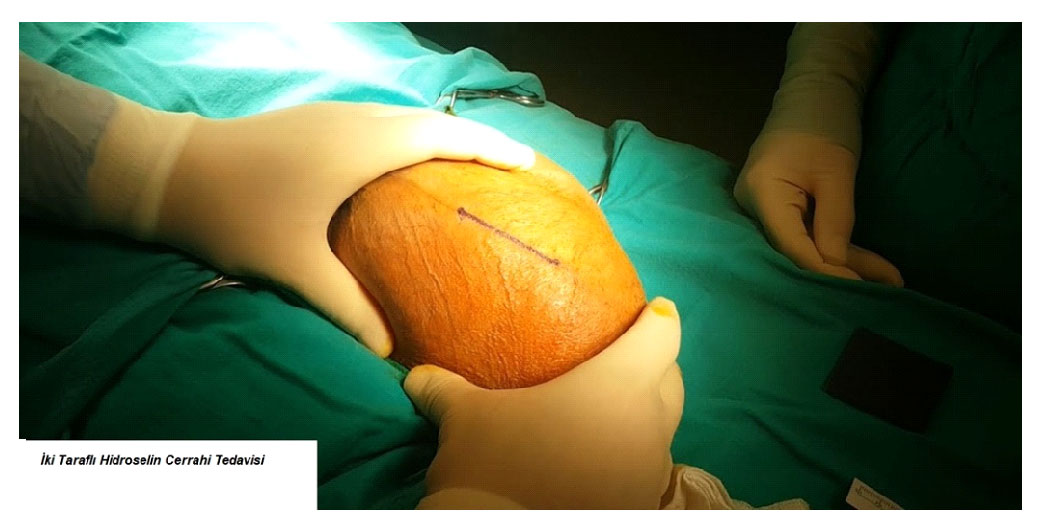
What Is a Hydrocele?
A hydrocele is a condition in which there is an abnormal amount of fluid between the two layers of the membrane surrounding the testicle (tunica vaginalis). 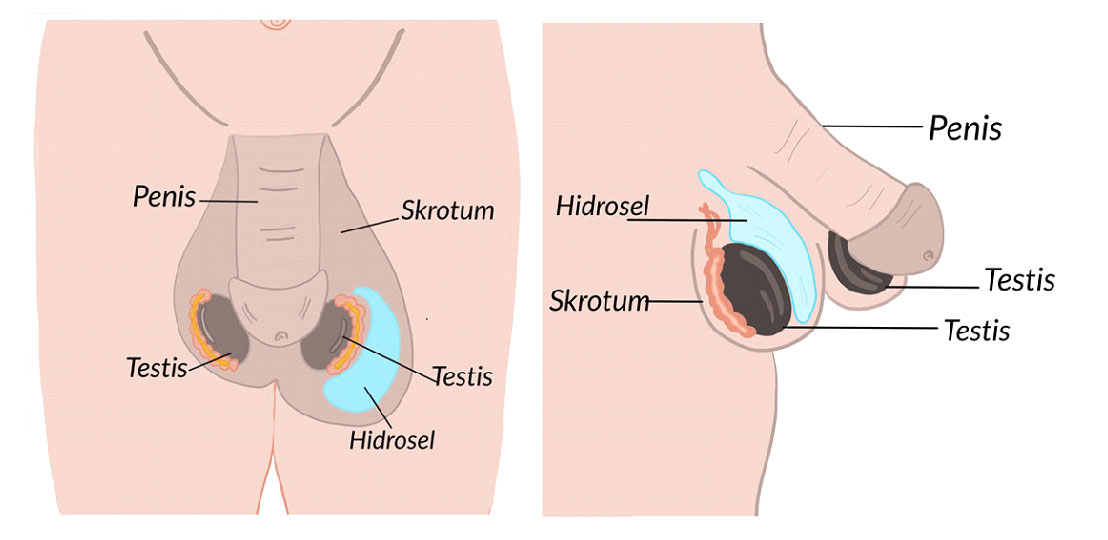
In this case, during the physical examination, light transmission (transillumination) is observed when a light is shone on the scrotum in a darkened environment. This finding supports the diagnosis.
Some authors strongly recommend confirming the diagnosis with an ultrasound to ensure that any potential lesion in the testicle is not overlooked.
Is a Hydrocele Surgery Difficult? How Is It Performed?
Hydrocele surgery is not a difficult procedure, but after the surgery, the patient will need approximately
About one week of rest is required. The procedure can be performed under local or regional anesthesia. During the procedure, the outer layer (parietal layer) of the membrane known as the tunica vaginalis is removed to eliminate any potential space between the two layers. At the same time, any accumulated fluid is aspirated (removed). If the fluid appears infectious (inflamed), a fluid sample is sent to the laboratory for microbiological analysis.