
Laparoscopic Surgery
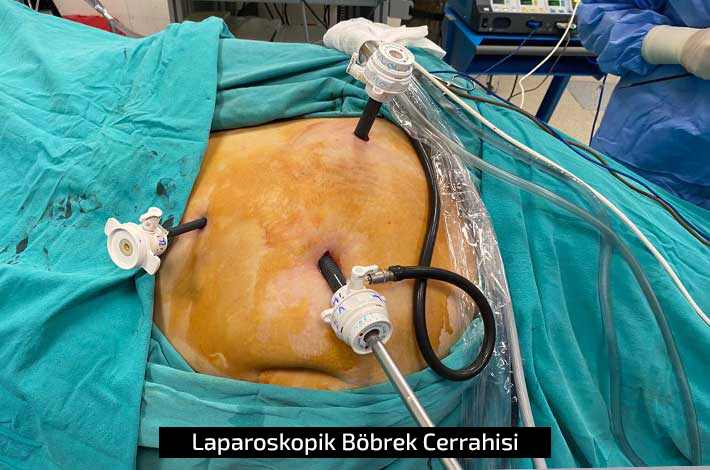
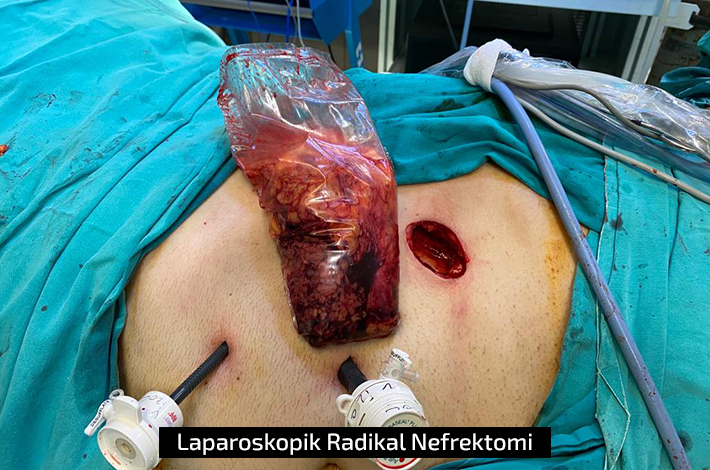
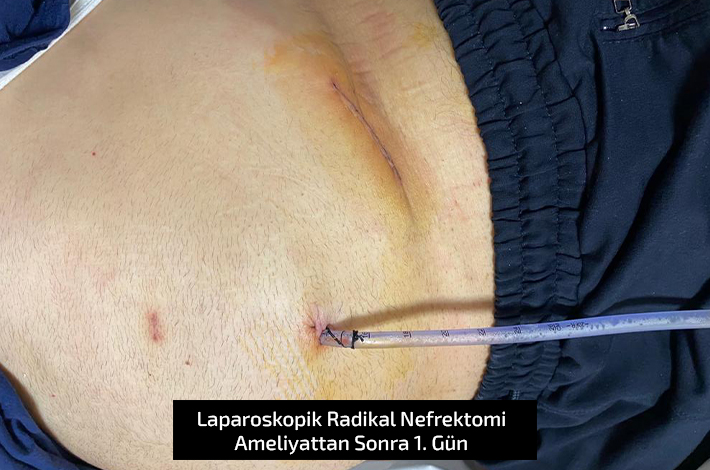
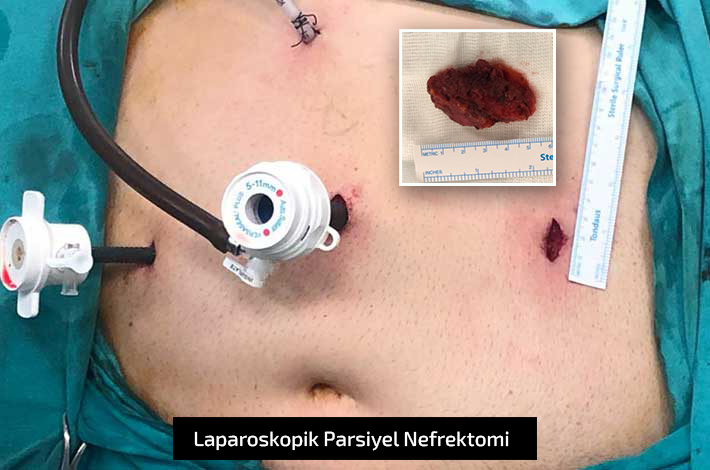
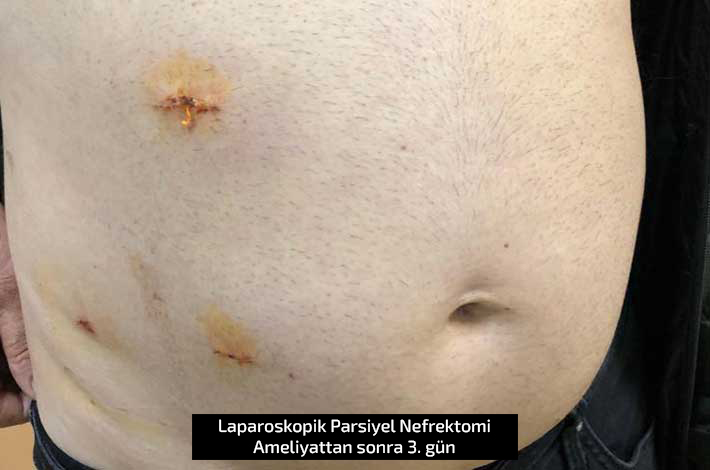
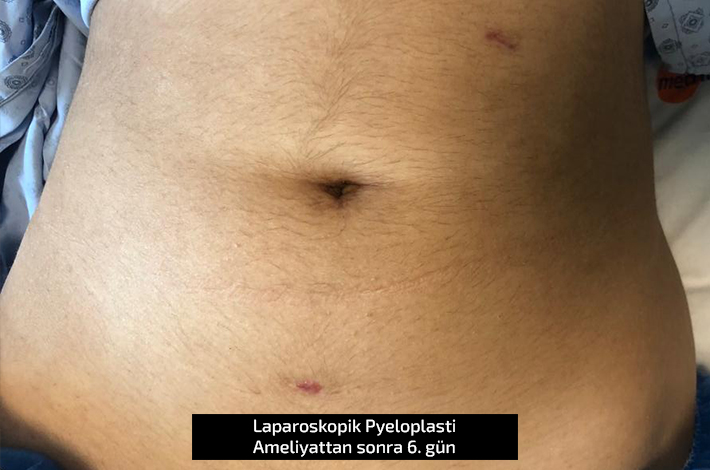
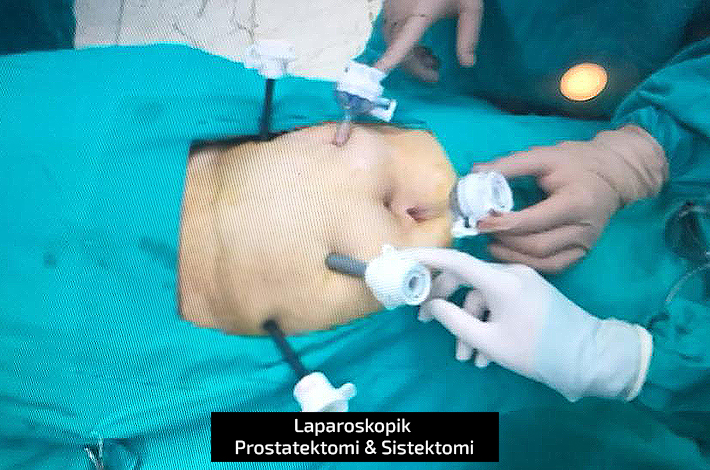
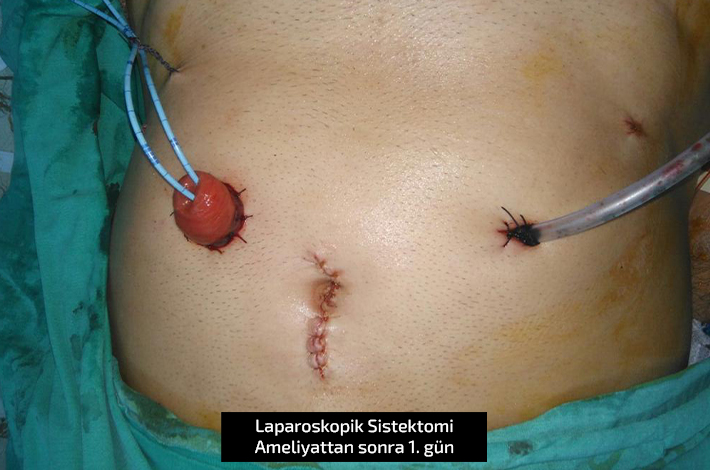
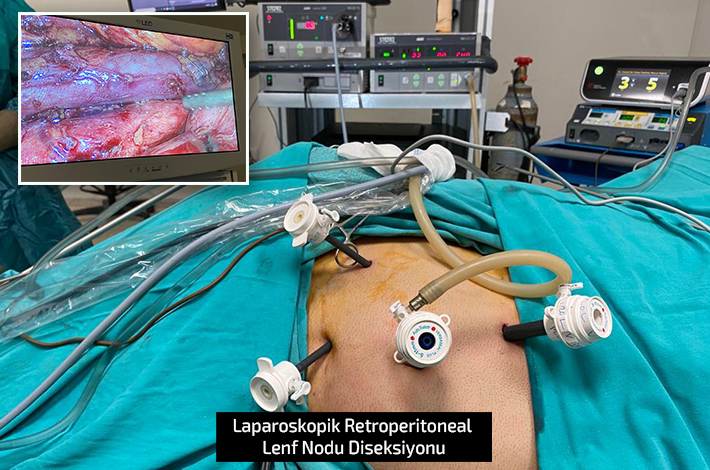
Endoscopic surgery is a surgical procedure that aims to access abdominal organs by inserting a camera and surgical instruments through small incisions, rather than making large incisions to reach the body’s organs. There have been significant advancements in this method in recent years.
What is laparoscopic surgery?
In laparoscopic surgery, for the surgical treatment of organs within the abdomen or pelvis, instead of large surgical incisions (around 20 cm), a few —4 or 5—small (0.5–1 cm) incisions through which thin tubes (called trocars) are inserted. The procedure is performed using long, thin surgical instruments while the surgeon views the surgical site through a telescope connected to a camera.
The greatest advantage of laparoscopy is that it yields excellent cosmetic results. Pain following laparoscopic surgery is significantly lower than after open surgery. Pain caused by large incisions is minimal. This reduced pain ensures a high level of postoperative comfort. Patients recover quickly, and the length of hospital stay is significantly reduced. While surgeons often do not place much importance on postoperative cosmetic results, this issue is of great importance to patients. Although laparoscopic surgery is a technique that offers significant advantages over open surgery for patients, its implementation requires considerable experience and, in particular, specialized training in this field.
What Are the Benefits of Laparoscopic Surgery?
What are the benefits of laparoscopic surgery?
From the patients’ perspective, studies have identified numerous benefits compared to open surgery.
⦁ Less postoperative pain
⦁ Less bleeding
⦁ Shorter hospital stay
⦁ Acceptable cosmetic appearance/small surgical scar
⦁ Early return to daily activities and work
⦁ Surgery performed with HD and high-resolution imaging
Conditions Treated with Laparoscopic Surgery in Urology
Laparoscopic techniques are increasingly being used in many areas of urological surgery.
⦁ Prostate and bladder cancer
⦁ Kidney tumor surgeries,
⦁ Removal of an atrophic kidney,
⦁ Removal of a kidney cyst,
⦁ Surgery to correct UPJ (ureteropelvic junction) obstruction,
⦁ Adrenal gland surgeries,
⦁ Ureteral surgeries,
⦁ Lymph node removal,
We prefer to perform laparoscopic surgeries for conditions such as these.
Prostate cancer surgeries can be performed laparoscopically, yielding oncological and functional outcomes similar to those of open and robotic surgery.
Laparoscopic procedures for kidney cancer (involving the removal of all or part of the kidney) have been in use for many years and have become the standard treatment method. It is a viable alternative to open surgery. At our clinic, laparoscopic surgery is the standard approach for prostate cancer and for kidney tumors, with the exception of very large kidney tumors and those that have invaded the renal vessels or the main venous system.
The standard laparoscopic method is highly successful in terms of the patient’s cosmetic appearance, postoperative pain, and wound healing, and patients can be discharged within 2–3 days.
Situations in Which Laparoscopic Surgery Should Not Be Performed;
Conditions that are absolutely contraindicated for laparoscopic surgery include uncontrollable bleeding disorders, intestinal obstructions, active infections of the abdominal wall, cancers that have spread to the peritoneum, and patients with fluid accumulation within the peritoneal cavity. Relative contraindications include severe obesity, a history of major surgery involving the abdominal or pelvic organs, pregnancy, severe respiratory insufficiency, severe arrhythmias, and severe heart disease.
Complications of Laparoscopic Surgery
As with any surgical procedure, laparoscopic surgery also has its own set of complications. When performed by experienced surgeons, the complications associated with laparoscopic surgery remain at acceptable levels. Generally speaking, this is the most important reason why complications are much less common compared to open surgery.
Laparoscopy may have some complications specific to the procedure itself. The need to inflate the patient’s abdomen to work under a certain pressure, combined with the presence of carbon dioxide in the gas used for inflation, can cause certain problems. The most significant of these are respiratory issues related to increased carbon dioxide levels. These problems have gradually decreased as the duration of laparoscopic surgeries has shortened and are now virtually nonexistent. The most significant complication is the conversion rate to open surgery. This rate is generally around 5%.
Bleeding complications are much less common than in open surgery. This is because surgeons must work very carefully during the procedure, as laparoscopic visualization is not possible in a bleeding environment. Even minor bleeding is quickly controlled and stopped, thereby preventing the image from becoming obscured. Consequently, the surgical team has to deal with much less blood loss compared to open surgery. Looking at the results, the patient experiences less blood loss. This, in turn, speeds up recovery.
Aside from these, laparoscopic surgery is still subject to all the organ- and procedure-related complications seen in open surgery. However, complication rates have decreased rapidly thanks to technological advances and increased experience. Laparoscopy has become the preferred method in the field of urology.
Laparoscopic surgery, which is considered a minimally invasive (less invasive) procedure, is now performed more frequently than open surgery at leading centers worldwide in the field of urology
Send Your Message