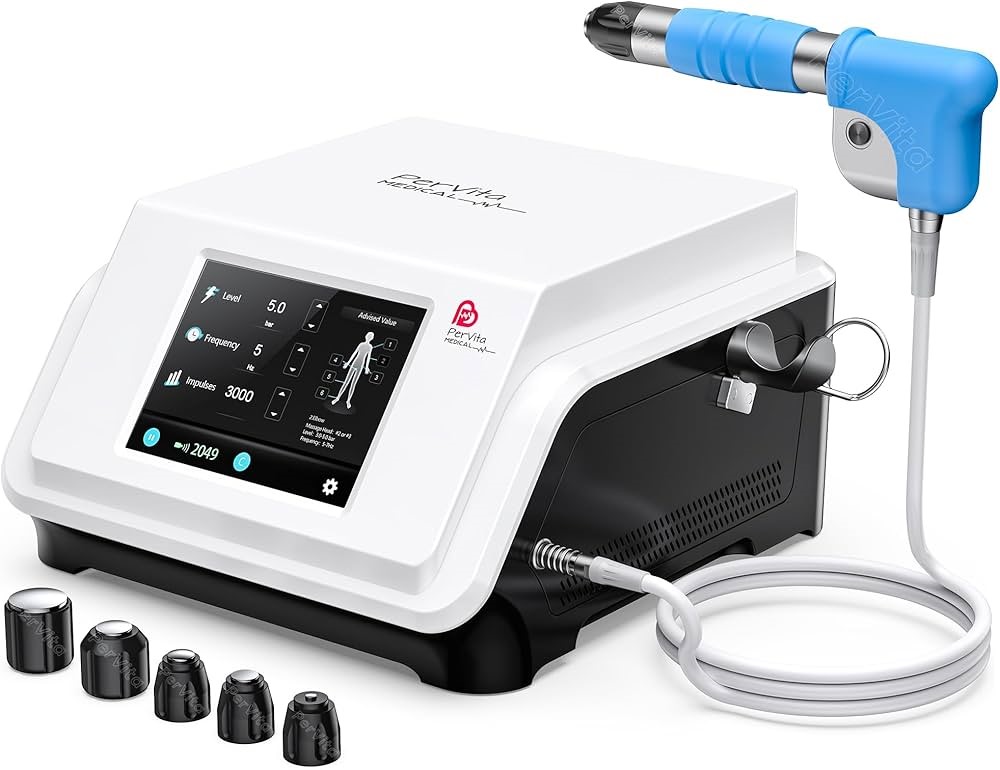
Shock Wave Therapy for Prostatitis
SHOCK WAVE THERAPY (ESWT) FOR PROSTATITIS
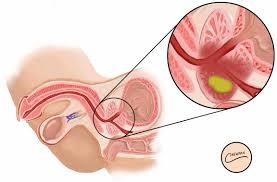
Prostatitis is a common health problem in men that significantly affects their quality of life. In particular,chronic prostatitis / chronic pelvic pain syndrome (CPPS) accounts for more than 80% of all prostatitis cases and often does not resolve completely despite standard treatments (antibiotics, pain relievers, alpha-blockers). For this reason, new treatment approaches have been developed in modern urology.
One of these new methodsis shock wave therapy (ESWT—Extracorporeal Shock Wave Therapy), the effectiveness of which has been demonstrated by scientific research in recent years. While ESWT was initially used as a treatment in the fields of orthopedics and urology (for erectile dysfunction), it has also yielded successful results in reducing pelvic pain and urinary symptoms in men with prostatitis.
On this page, you can find detailed information onhow shock wave therapyworks for prostatitis,who it is suitable for,its scientific mechanism,clinical effects,treatment sessions,success rates, andside effects.
- What Are Prostatitis and CPPS?
(To Understand the Scope of ESWT)**
Prostatitis is a clinical condition resulting from infection, inflammation, or irritation of the prostate gland caused by muscle spasms. Prostatitis is classified into four main types:
- Type I:Acute bacterial prostatitis
- Type II:Chronic bacterial prostatitis
- Type IIIA / IIIB:Chronic prostatitis / chronic pelvic pain syndrome (CPPS)
- Type IV:Asymptomatic prostate inflammation
Shock wave therapy is one of the most effective treatments,particularly for Type III prostatitis, also known aschronic pelvic pain syndrome.
- What Is Shock Wave Therapy (ESWT) for Prostatitis?
ESWT is anon-surgical,drug-free,painlesstreatment method that involves applying low-intensity acoustic waves to the muscles, nerves, and tissues in the pelvic region.
These waves:
- Relieves pelvic floor muscle spasms
- Reduces nerve sensitivity
- Improves blood circulation
- Promotes microvascular regeneration
- Relaxes muscle and fascia tissues
These effects in patients with prostatitis:
- Pelvic pain
- Perineal pain
- A sensation of pressure in the rectum
- Burning sensation during urination
- Pain during ejaculation
helps reduce symptoms such as these.
**3. The Mechanism of Action of ESWT on Prostatitis**
(Scientific Explanation)**
The therapeutic effects of ESWT on prostatitis are multifaceted. Modern research has identified three primary mechanisms:
- A) Relaxes the Pelvic Floor Muscles (Myofascial Effect)
For the majority of men with chronic prostatitis, the main problemis actuallypelvic floor muscle spasm.
Shock wave therapy:
- Relieves trigger points in the muscles
- Relaxes the pelvic floor muscles
- Reduces tension in the anal sphincter and the area around the prostate
- Reduces the pressure in the duct
This mechanism is highly effective in reducing urinary symptoms and pain.
- B) Reduces Nerve Sensitivity (Neuromodulatory Effect)
In chronic prostatitis, the pelvic nerves become hypersensitive. This condition:
- It increases pain
- It causes a burning and stinging sensation
- It increases pain during ejaculation
ESWT controls neuropathic pain by reducing the sensitivity of nerve receptors.
- C) Increases Microvascular Formation (Angiogenic Effect)
Shock waves promote microvascular regeneration in tissues.
In the prostate and pelvic floor:
- Blood flow increases
- Oxygenation increases
- Chronic inflammation is reduced
- Tissue nutrition improves
This effect particularly accelerates recovery in chronic pelvic pain syndrome.
Who Is a Good Candidate for Shock Wave Therapy for Prostatitis?
ESWT is particularly effective for the following types of prostatitis:
✔ Chronic Prostatitis Type IIIA (Inflammatory CPPS)
It responds very well to pain, inflammation, and aseptic conditions.
✔ Chronic Prostatitis Type IIIB (Non-inflammatory CPPS)
It is one of the most effective treatments for prostatitis caused by pelvic muscle spasms.
✔ Persistent pain following episodes of chronic bacterial prostatitis
If the infection has cleared up but the pain persists, ESWT can be very helpful.
✔ Men with pelvic floor muscle spasms
This group accounts for 70% of men with prostatitis.
✔ Those experiencing perineal pain or a sensation of pressure radiating to the anus
✔ Patients who do not respond to antibiotics
It is the most effective treatment, particularly for men with Type IIIB prostatitis.
✓ WHO IS IT NOT SUITABLE FOR?
- Active infection (Type I prostatitis)
- High fever
- Suspected abscess
- Recent surgery
In these cases, the infection must be treated first.
- How Is ESWT Treatment for Prostatitis Administered?
The treatment is entirely outpatient and painless. The procedure usually takes 10–20 minutes.
1) Evaluation Examination
- The pelvic floor muscles are assessed
- Trigger points in the perineal region are identified
- Prostate tenderness is examined
- Urinary flow and symptom scores are assessed
2) The Treatment Area Is Determined
Shock waves can be applied to the following areas:
- Perineum (the area between the anus and the testicles)
- Pelvic floor muscles
- The area around the anal sphincter
- Pudendal nerve pathway
- Pubic area
- Prostate reflection areas
3) Implementation
- Apply the gel
- The shock wave device comes into contact with the target area
- Low-to-medium-intensity acoustic energy is applied
- The patient does not feel any pain; there may be a slight sensation of pressure
4) Session Duration
Each session lasts 10–20 minutes.
5) Frequency of Treatment
According to scientific protocols:
- 1–2 sessions per week
- A total of 4–12 sessions
For severe cases of CPPS, 12 sessions are recommended.
6) Post-Treatment
- The patient returns to their daily life immediately
- Sexual intercourse can take place on the same day
- Improvement is usually noticeable within 2–4 sessions
6. The Effects of ESWT on Prostatitis
(Clinical Results + Scientific Data)**
According to scientific studies, shock wave therapy:
It reduces pelvic pain by 50–80 percent
In particular, perineal and pelvic floor pain decreases dramatically.
Helps relieve urinary discomfort
- Current increase
- Reduction in combustion
- Improvement in the sensation of needing to urinate
Reduces pain during ejaculation
Pain during ejaculation is one of the most bothersome symptoms of prostatitis; ESWT is very effective in treating this symptom.
Improves sexual function
CPPS can interfere with erections. ESWT increases blood flow to the pelvis and may improve sexual function.
Effective in cases of antibiotic-resistant prostatitis
Since there are no bacteria, antibiotics won't work; ESWT targets the actual problem—namely,muscle and nerve sensitivity.
7. Scientific Evidence for ESWT Treatment of Prostatitis
- It has been proven to reduce pelvic pain
- It results in a significant decrease in NIH-CPSI scores
- Reduces nerve sensitivity
- Relieves muscle spasms
- Provides long-term relief for chronic prostatitis
- Improves urinary function
- Helps support erectile function
For this reason, it has become one of the preferred treatments for CPPS worldwide.
- Advantages of ESWT Treatment
✔ No surgery
✔ No needles
✔ Does not require medication
✔ It is completely painless
✔ Sessions are short
✔ Back to daily life right away
✔ The effects begin within 2–4 sessions
✔ Provides long-term, lasting improvement
- Possible Side Effects of ESWT Treatment
ESWT is a low-risk treatment.
Possible but rare side effects:
- Slight redness
- Temporary sensitivity
- A very low chance of bruising
The treatment is generally extremely safe.
- Combining ESWT with Other Treatments for Prostatitis
The effectiveness of ESWT can be enhanced in some patients through combined treatment protocols:
1) ESWT + Pelvic Floor Physical Therapy
It is the most effective combination of treatments.
Muscle relaxation + ESWT = Maximum relief
2) ESWT + Alpha Blockers
Urination becomes even more comfortable.
3) ESWT + Anti-inflammatory medications
It is a good combination, especially during acute flare-ups.
4) ESWT + Hot Sitz Baths
Helps relax muscles.
5) ESWT + Trigger Point Massage / Manual Therapy
Pelvic floor trigger points are released.
- The Expected Recovery Process Following ESWT Treatment for Prostatitis
1–2 weeks:
A slight reduction in pain, reduced burning sensation
2–4 weeks:
The sensation of pelvic pressure and perineal pain are significantly reduced
4–6 weeks:
Pain during ejaculation may go away
Urine flow improves
6–12 weeks:
A 50–80% improvement in most symptoms
Frequently Asked Questions About Shock Wave Therapy for Prostatitis
Is ESWT a painful treatment?
No, it's completely painless.
How many minutes does the process take?
10–20 minutes.
How many sessions are needed?
Between 4 and 12 sessions.
When does the effect begin?
Usually during the second or third session.
Does ESWT shrink the prostate?
No, the target is not the prostate itself, but the pelvic nerves and muscles.
Can ESWT be used as a substitute for antibiotics?
No, if there is an infection; antibiotics are ineffective in chronic CPPS anyway.
- Conclusion: Shock Wave Therapy for Prostatitis Is a Modern, Safe, and Effective Approach
Prostatitis is a complex condition that significantly impairs quality of life, particularly in its chronic forms. For patients who do not respond to standard treatments,ESWT (shock wave therapy)is a modern treatment option whose effectiveness has been scientifically proven.
ESWT:
- Reduces pelvic pain
- Relieves muscle spasms
- Reduces nerve sensitivity
- Relieves urinary symptoms
- Improves sexual function
- It is safe, painless, and fast
For this reason, it is being used more and more frequently in the treatment of chronic prostatitis (CPPS).
Send Your Message