
Doctor's Office

0322 503 80 70

WhatsApp & Mobile

0543 333 33 34

Comments & Opinions

Patient Testimonials

Artificial Urinary Sphincter Implantation
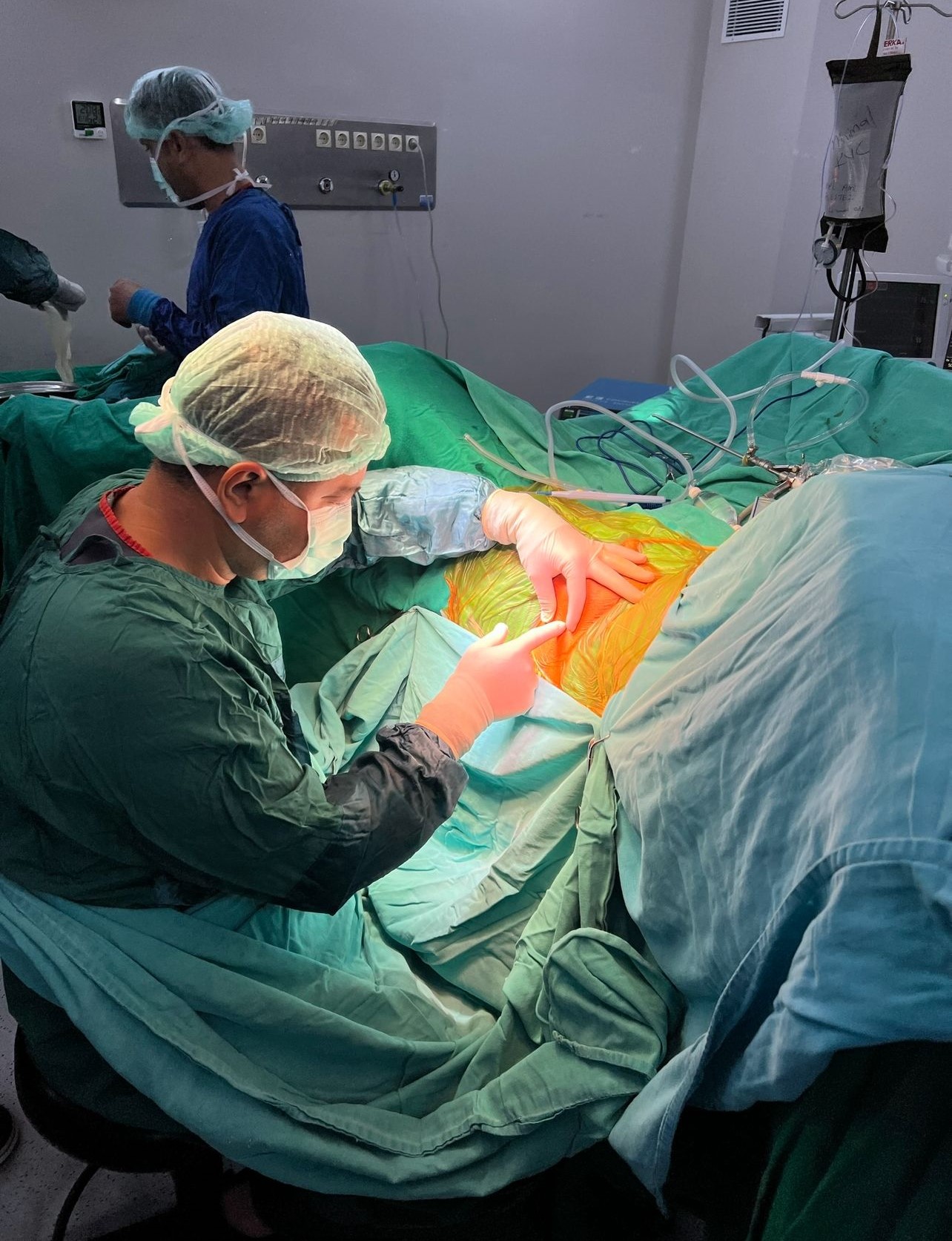
Artificial Urinary Sphincter Implantation

Artificial urinary sphincter (AUS) implantation is a treatment used for stress urinary incontinence.

The AÜS allows you to control your bladder by tightening and relaxing the muscle around your urethra using its manually operated pump. The purpose of the AÜS is to reduce urinary leakage during activities such as sneezing, coughing, running, or lifting heavy objects.


When should I consider AÜS?

AUS is generally recommended in cases of severe urinary incontinence or when full or partial recovery has not been achieved following the placement of a sling. AUS provides long-lasting relief and improves your quality of life.

You should be able to control the pump with your hand. Before the surgery is scheduled, a doctor or nurse will explain how the device works and how you can use it comfortably.

Your doctor will perform some tests to make sure there are no contraindications to undergoing AÜS. As part of these tests, you will need to undergo a cystoscopy and a PET scan.

How Is AÜS Installed?

Although spinal anesthesia is typically used for this procedure, general anesthesia may be recommended in some cases. First, your doctor will insert a catheter into your bladder to ensure it remains empty throughout the surgery.
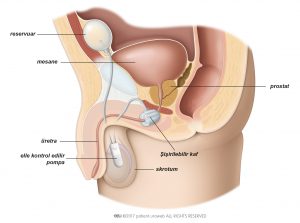
The doctor makes an incision in the perineum to place the cuff around the urethra. The reservoir is then inserted into the lower abdomen through a second incision. Finally, the pump is placed in the scrotum and connected to the device’s two components (Figure 1). The cuff is left open until your doctor activates it a few weeks later.

Before surgery, your doctor will request a urine sample to make sure you do not have a urinary tract infection. If you do have an infection, your doctor will prescribe antibiotics before, during, and after the surgery.

Your doctor will explain in detail how to prepare for surgery. If you are scheduled to receive general anesthesia, you should stop eating, drinking water, and smoking 6 hours before surgery. If you are taking any medications on a regular basis, you should discuss this with your doctor. You may need to stop taking them a few days before surgery. Your doctor will let you know when you can start taking them again.


How long will it take for me to get back to my daily activities?

Your doctor will usually remove the catheter the day after surgery and monitor your recovery. You may need to take antibiotics to prevent infection. If you are able to urinate without any problems and there is no significant amount of residual urine after urination, you will be discharged from the hospital after a few days. Recommended hospital stays vary from country to country.

After you are discharged from the hospital, your body still needs time to fully recover. For this reason, the AÜS will not be activated until your lower urinary tract has fully healed. This means you may continue to experience urinary incontinence for weeks after the surgery. During this time, you may feel pain in the pelvic area or experience pain while urinating. Your doctor may prescribe medication to relieve these symptoms.

The doctor will schedule an appointment 4–6 weeks from now to activate the device.

During your recovery, your doctor may recommend the following:

  • Drink 1–2 liters of fluids every day—especially water
  • Do not lift loads heavier than five kilograms
  • Do not do strenuous exercise
  • Take a quick shower instead of a bath
  • Avoid hot springs or saunas
  • Adjust your diet to prevent constipation
  • Avoid sexual intercourse
  • Avoid riding a bicycle or horse. After the AÜS is implanted, you will need specially designed seats to prevent accidents that could accidentally trigger the pump during these activities.

Contact your doctor immediately if any of the following apply:

  • If you develop a fever
  • If you can't urinate
  • Excessive blood loss or pain
  • If there is bleeding or a clear fluid coming from the wound, or if it hurts
  • If you notice swelling, pain, or redness in the scrotum

Ali Şahin Design