
WHAT IS PROSTATITIS?
Prostatitis, an inflammation of the prostate gland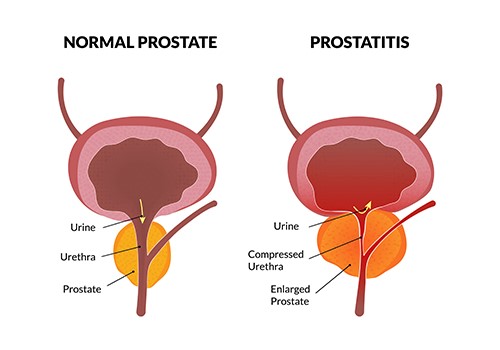 It is a common urological condition caused by inflammation and can occur in men of any age. While conditions such as benign prostatic hyperplasia (BPH) or prostate cancer typically occur in older men, prostatitis, It is the most common prostate condition among men aged 20–50. Men with prostatitis may experience a wide range of symptoms, including a burning sensation during urination, pain in the groin area, discomfort in the perineal region (between the anus and the testicles), frequent urination, a weak urine stream, and sexual dysfunction.
Prostatitis is not a single disease; it is a complex clinical condition withfour distinct types. While bacteria play a role in some types of prostatitis, in othersno bacteria are detected, yet there is significant pain and urinary symptoms. For this reason, an accurate diagnosis and appropriate treatment plan are crucial.
In this article, you will find the most detailed and scientifically accurate information on all aspects of prostatitis, including treatment options, modern diagnostic methods, and long-term management protocols.
- Types of Prostatitis (NIH Classification – The Most Detailed Explanation)
Prostatitis is divided into 4 main groups: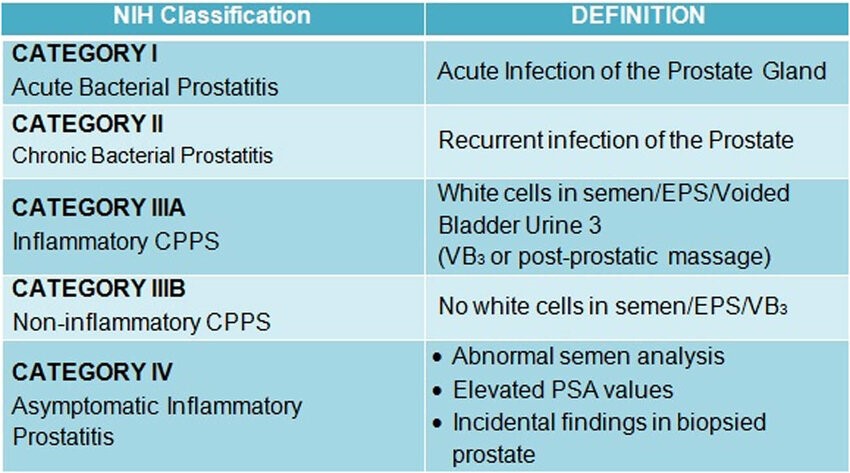
1) Type I – Acute Bacterial Prostatitis
- Sudden onset
- High fever, chills, muscle aches
- Severe prostate pain and an inability to urinate may occur
- Requires emergency treatment
- With the right antibiotic, you'll get better quickly
2) Type II – Chronic Bacterial Prostatitis
- An infection lasting longer than 3 months
- Frequent urinary tract infections
- Bacteria have colonized the prostate ducts
- Treatment may require long-term antibiotic therapy
3) Type III – Chronic Prostatitis / Chronic Pelvic Pain Syndrome (CPPS)
It is the most common type of prostatitis.
- A) Type IIIA: Inflammatory CPPS
Inflammatory cells are present in the semen or prostatic fluid, but no bacteria are found.
- B) Type IIIB: Non-inflammatory CPPS
Neither bacteria nor inflammation are present; however, severe pain may occur.
The main problem in these patients is:
- Pelvic floor muscle spasm
- Nerve sensitivity
- Prostate pressure
- Stress and muscle tension
- Chronic inflammation
are complex mechanisms such as these.
4) Type IV – Asymptomatic Inflammatory Prostatitis
There are no symptoms; it is discovered incidentally during an examination conducted for another reason.
- How Is Prostatitis Diagnosed?
A) Detailed Medical History
The duration, severity, and associated factors of the symptoms are evaluated.
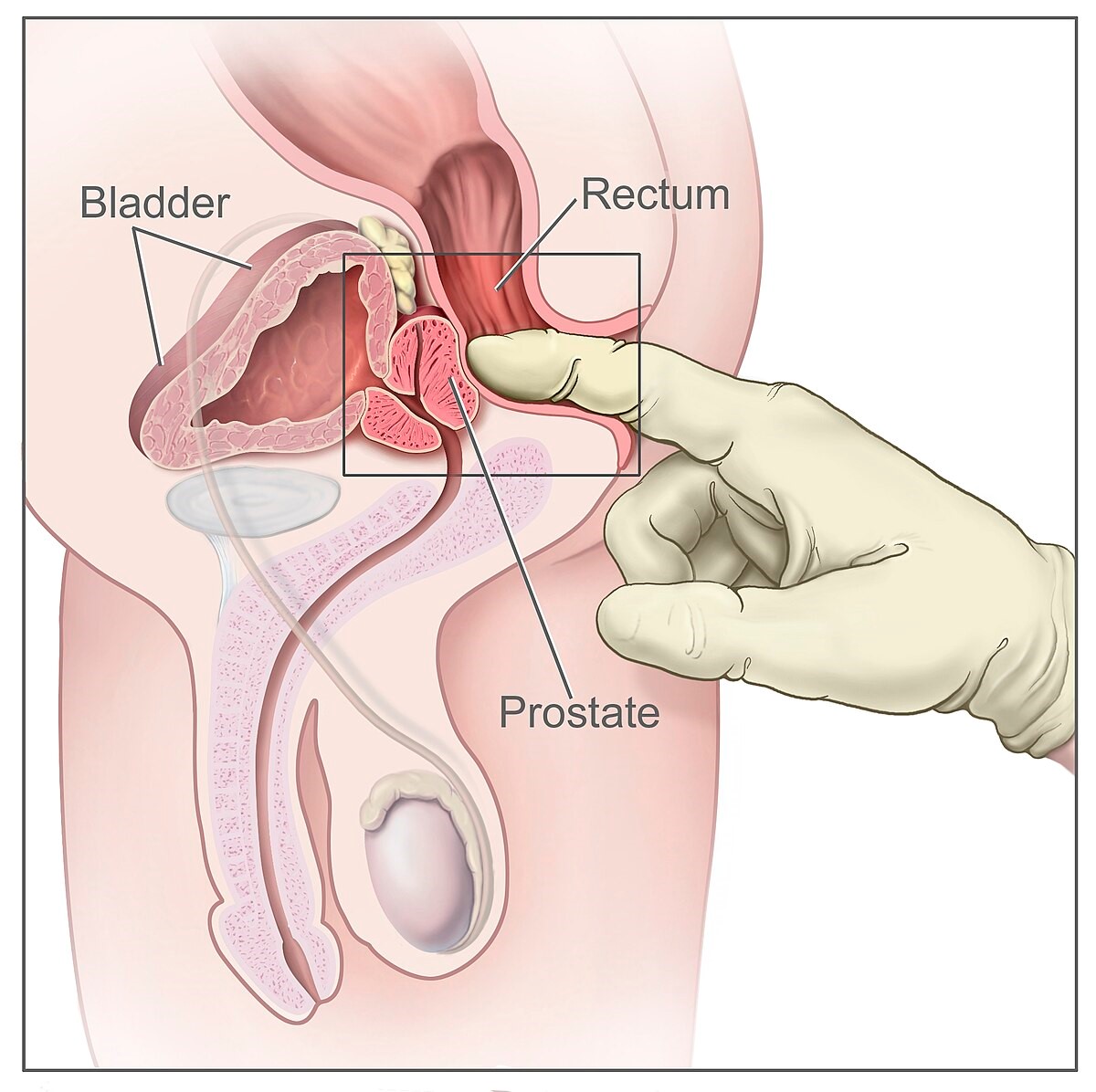
B) Physical Examination and Rectal Prostate Examination
The prostate:
- Accuracy
- Size
- Hardness
- Presence of a plaque or nodule
is evaluated.
In acute bacterial prostatitis, the prostate becomes very tender and swollen.
C) Urinalysis and Urine Culture
- Is there an infection?
- Which bacterium?
- Which antibiotic is effective?
Culture is particularly important in Type II prostatitis.
D) PSA Test
PSA levels may rise in acute prostatitis.
It may be necessary for differential diagnosis if cancer is suspected.
E) Ejaculate Analysis (Semen Culture)
It is one of the most valuable tests for bacterial prostatitis.
F) TRUS – Transrectal Ultrasound
- Do you have an abscess?
- Are the prostate ducts dilated?
- Markers of inflammation?
G) Urodynamics
- Measures bladder emptying
- Indicates a pelvic muscle spasm
- Assesses prostate pressure
It is definitely beneficial for patients with CPPS.
H) Urine Microscopy After Prostate Massage (Meares-Stamey Test)
It is the gold standard test.
A urine sample collected after a prostate massage is tested for bacteria and inflammation.
7. Treatment of Prostatitis
(The Most Detailed Treatment Approach by Type)**
Treatment for prostatitis varies depending on the type of the condition. All treatment methods are described here along with their scientific explanations.
A) Treatment of Acute Bacterial Prostatitis
- Broad-spectrum antibiotics
- Fluoroquinolones
- TMP-SMX
- 2–4 weeks of treatment
- Fever and Pain Management
- Fluid intake + rest
Severe cases are treated in the hospital.
B) TREATMENT OF CHRONIC BACTERIAL PROSTATITIS
- Long-term antibiotic treatment
- 4–12 weeks
- An antibiotic appropriate for the type of bacteria
- In some patients, it may take 2–3 months
- Prostate massage
- It reduces pressure in the prostate ducts
- It increases the antibiotic's penetration into the tissue
- It is particularly effective in cases of chronic bacterial infection
- Anti-inflammatory drugs
- Pelvic floor relaxation therapies
C) Treatment of Chronic Prostatitis / Chronic Pelvic Pain Syndrome
(Type IIIA–IIIB)
This is the most complex type of prostatitis, and its treatment requires a multidisciplinary approach.
The following methods are scientifically proven to be effective:
- Pelvic Floor Physical Therapy (One of the Most Important Treatments)
- Pelvic Muscle Relaxation
- Trigger Point Release
- Breathing exercises
- Biofeedback
It results in significant improvement in more than 70% of CPPS patients.
- Alpha Blockers (Medications that relax the urinary tract)
- Tamsulosin
- Alfuzosin
- Silodosin
It reduces prostate pressure.
- Anti-inflammatory drugs
It reduces pain and inflammation.
- Hot therapy – hot sitz baths
It reduces muscle spasms.
- Magnesium + Vitamin B Supplements
It has a calming effect.
- Urological Botox Treatment (For Selected Patients)
Botulinum toxin can be administered to the pelvic floor muscles.
- Neuromodulation Therapies
These are modern treatments that reduce nerve sensitivity.
- Antidepressants (Low dose)
It is prescribed for pain modulation and nerve sensitivity.
- Lifestyle adjustments
- Caffeine Reduction
- Avoiding spicy foods
- Not sitting for a long time
- Regular bathroom habits
- Prostatitis and Sexuality
Prostatitis:
- Pain during ejaculation
- Premature ejaculation
- Erectile dysfunction
- Low libido
It can cause many sexual symptoms, such as...
Most of these problems resolve after treatment.
- Common Mistakes in the Treatment of Prostatitis
 Unnecessarily prolonged use of antibiotics Prescribing only pain relievers instead of antibiotics Failure to recognize pelvic muscle spasms Misdiagnosis (not every burning sensation is an infection) Taking the PSA test at the wrong time
- Factors That Trigger Prostatitis
- Sitting in the cold
- Excessive cycling
- Driving for a long time
- Sexual abstinence or excessive sex
- Stress
- Caffeine
- Alcohol
- Does Prostatitis Go Away Completely?
Yes, most types of prostatitis can be completely cured with the right treatment.
In chronic prostatitis, however, the goal is:
- To reduce pain
- Preventing Attacks
- Improving quality of life
- Relaxing the pelvic floor
- Frequently Asked Questions
Does prostatitis lead to prostate cancer?
No.
Does prostatitis cause infertility?
Severe infections can affect sperm quality.
Can prostatitis be transmitted through sexual intercourse?
No, on the contrary, it can trigger symptoms in some people.
Is a prostate massage harmful?
If done correctly, it is beneficial.
- Conclusion: Prostatitis Is a Treatable Condition
Prostatitis is a multifactorial, complex condition thatcan be successfully treated.
With the right diagnosis, proper treatment, and lifestyle management:
- Pain is reduced
- Urinary symptoms improve
- Sexual function improves
- Quality of life improves
It is strongly recommended that men with prostatitis seek a professional evaluation, as treatment should be tailored to the individual.