
Hypospadias
What Is Hypospadias?
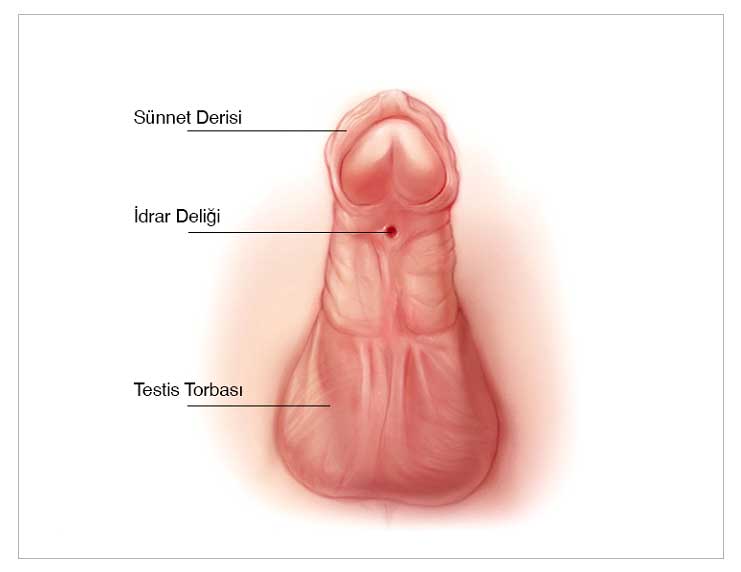
Hypospadias is a condition in which the urethral opening is located below its normal position. Although it is often innocently referred to in everyday language as “prophet’s circumcision” or “congenital circumcision,” it is a very serious surgical condition that can only be corrected through surgery. This condition, which is usually diagnosed at birth, can vary in severity. Although the exact cause is unknown, it has been suggested that certain hormonal factors may play a role.
How Common Is Hypospadias?
It is a condition that affects approximately one in 250 children in the general population. However, its prevalence is thought to have increased recently. Having a sibling or father with the condition increases the risk of developing it. In addition, environmental factors may also play a role, and it has been reported that the prevalence is slightly higher among boys born following in vitro fertilization (IVF) procedures.
How Is Hypospadias Diagnosed?
The diagnosis is based entirely on the results of a physical examination. A low-set urethral opening and the absence of the anterior portion of the foreskin are sufficient for establishing the diagnosis.
Why Should Hypospadias Be Treated?
Treatment is performed to create a normally positioned urethral opening and achieve a functionally and anatomically normal penis. A cord (a non-elastic structure located on the front of the penis) that may be present in these children can cause curvature during penile erection. This, in turn, may negatively affect their future sexual life. This structure is also addressed during the repair procedure.
How Is Hypospadias Treated?
Treatment is surgical. The goal of treatment is to create a tube-like structure in the urinary tract using a stent and to ensure its patency. Considering factors such as the severity of the condition and whether the patient has undergone previous surgery, there are hundreds of surgical techniques available. However, the ultimate goal remains the same. An important point to note here is that the foreskin behind the penis is used in the surgery. For this reason, it is extremely important that children with hypospadias not be circumcised. In circumcised patients, hypospadias surgery is more difficult, and the rate of postoperative complications increases. The most appropriate age for surgery is the period when the child will be psychologically least affected by a procedure involving the genitalia (6 months to 1 year). Depending on the location of the urethral opening and your doctor’s preference, treatment may be planned in one or two sessions.
Send Your Message
