
Endourological Surgery Courses
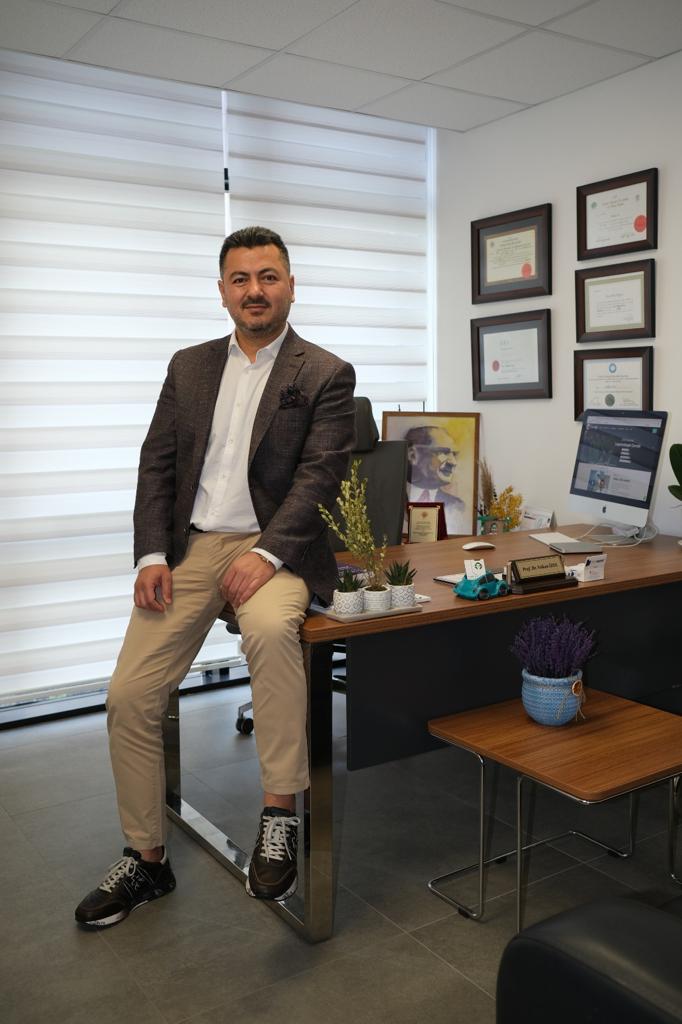
Dear Colleagues
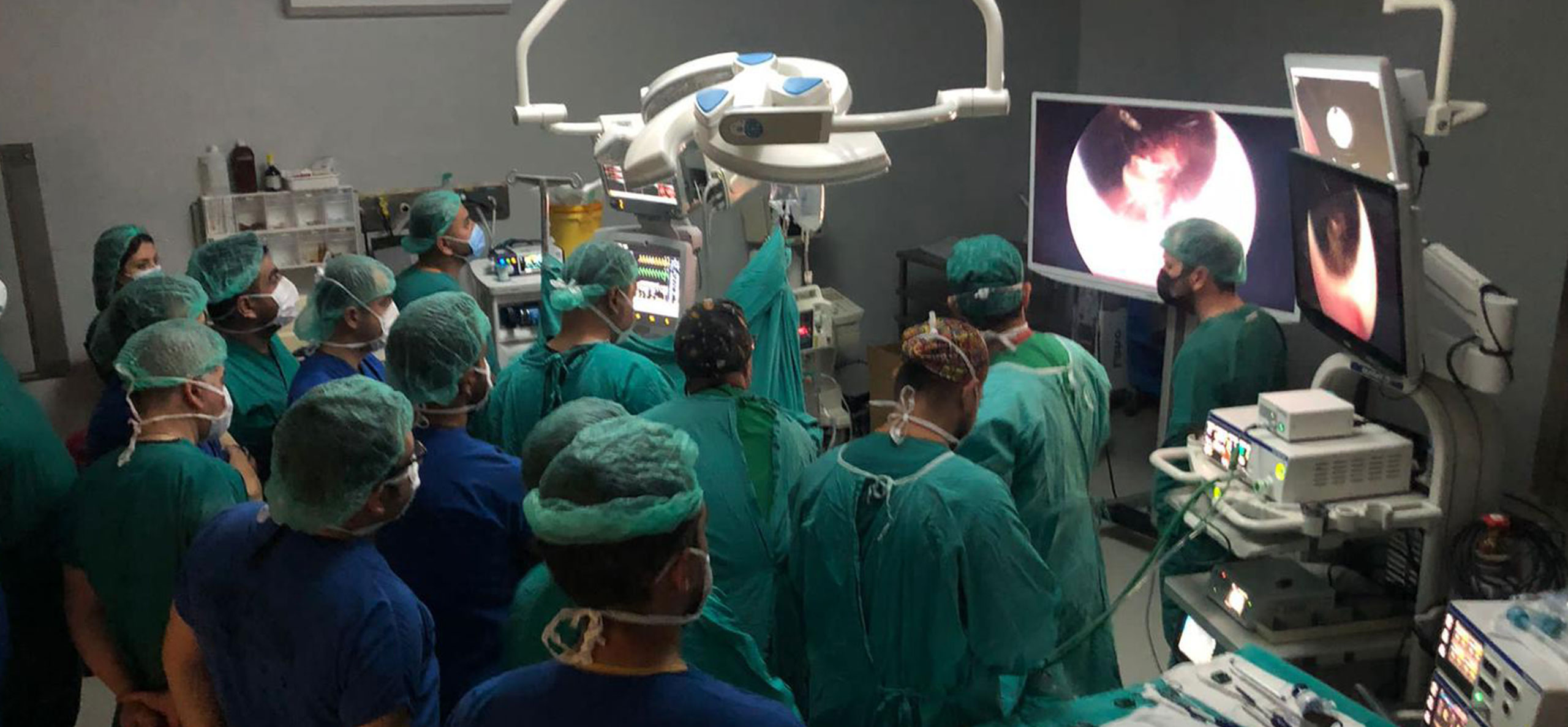
The purpose of the Endourological Surgery course is to share our experiences, expertise, and the latest developments in minimally invasive surgery—including laparoscopy and endourology, which constitute a significant part of our daily practice—with our colleagues and participants. Please contact us for registration and further details.
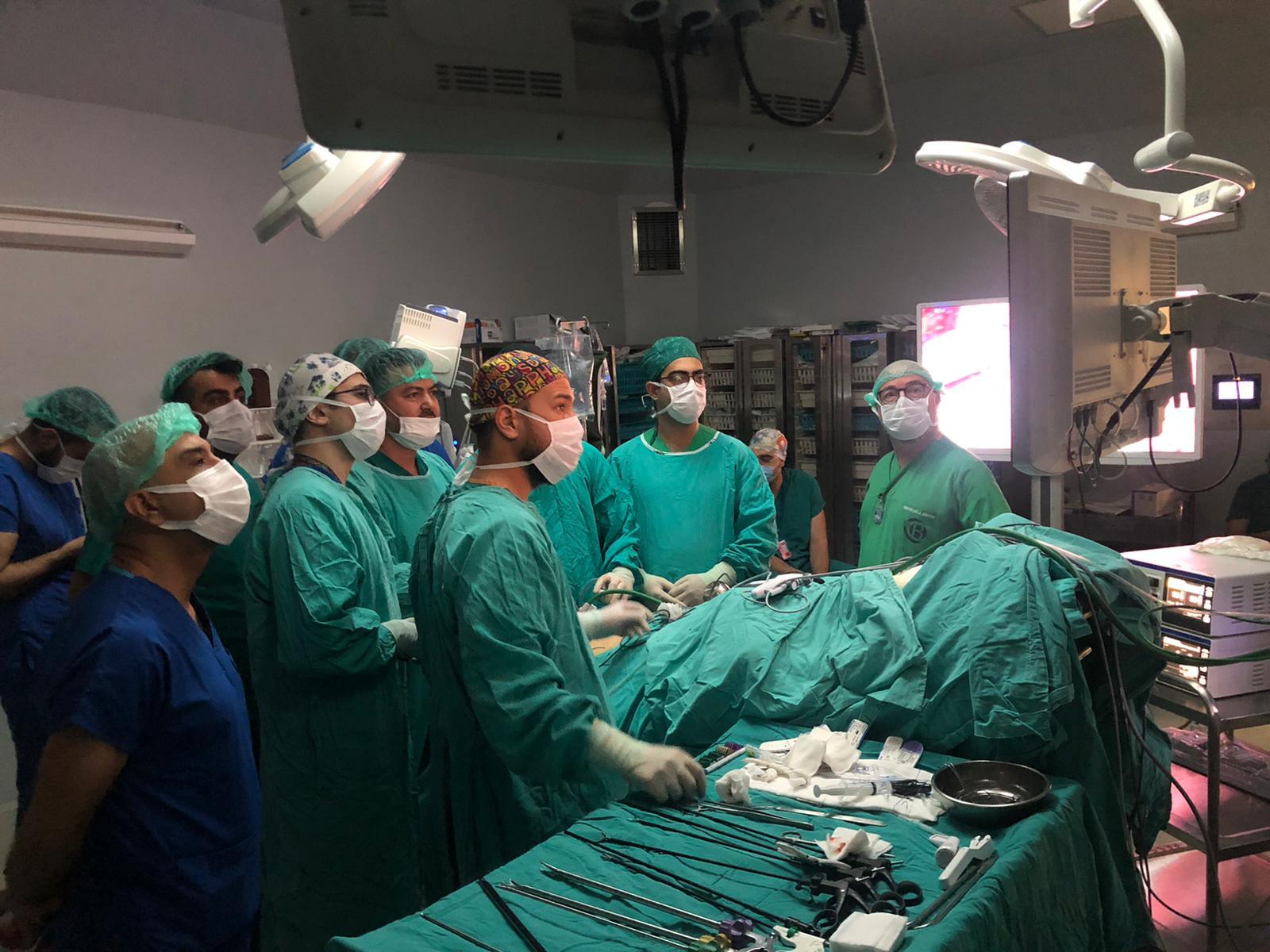
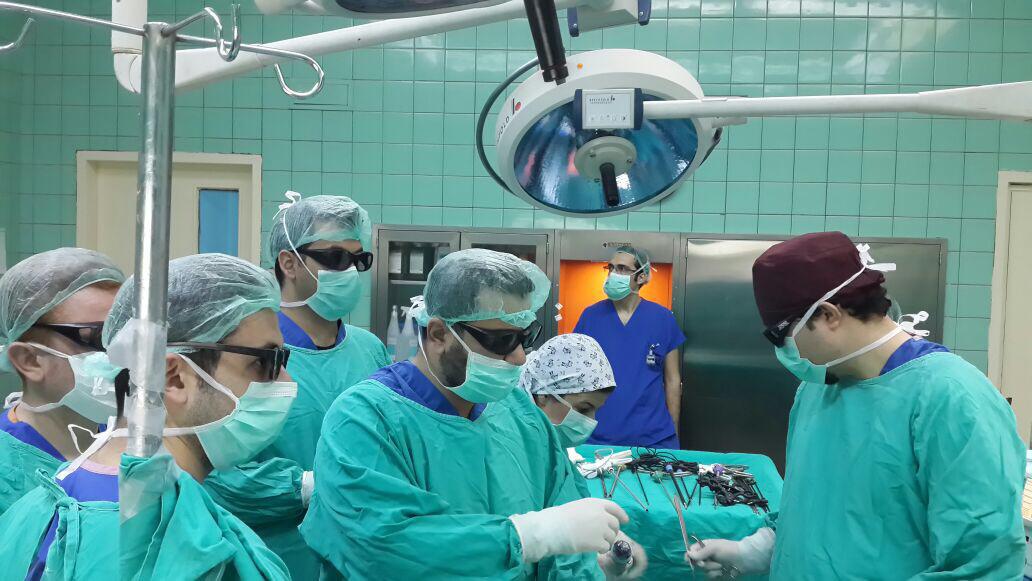
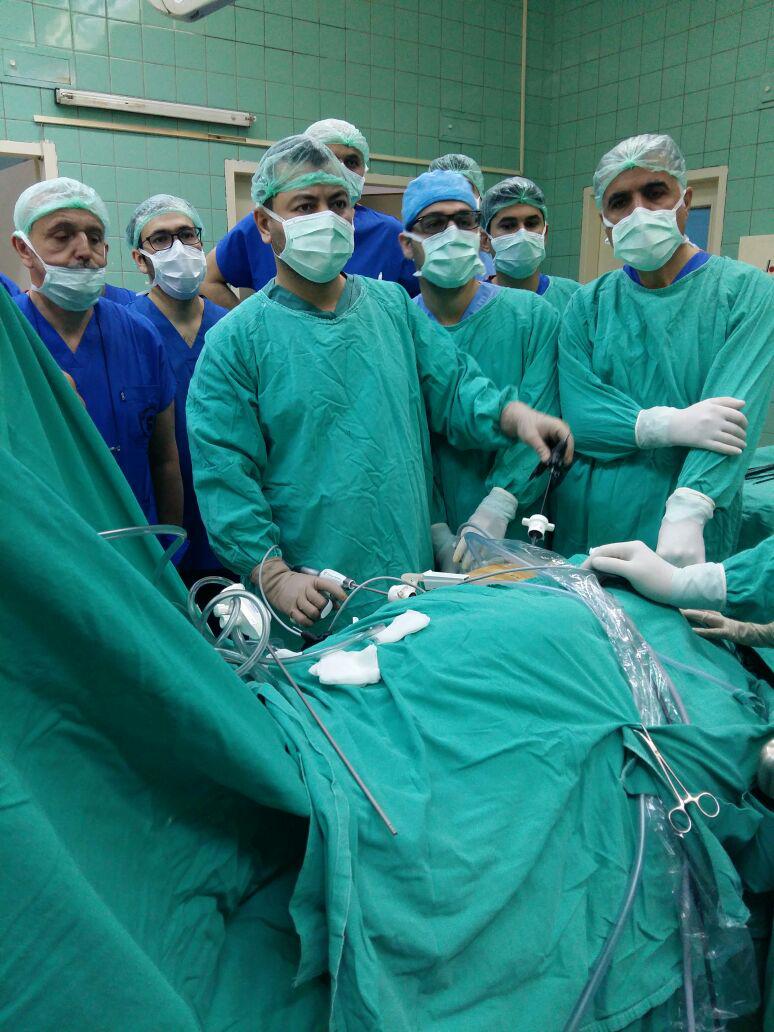
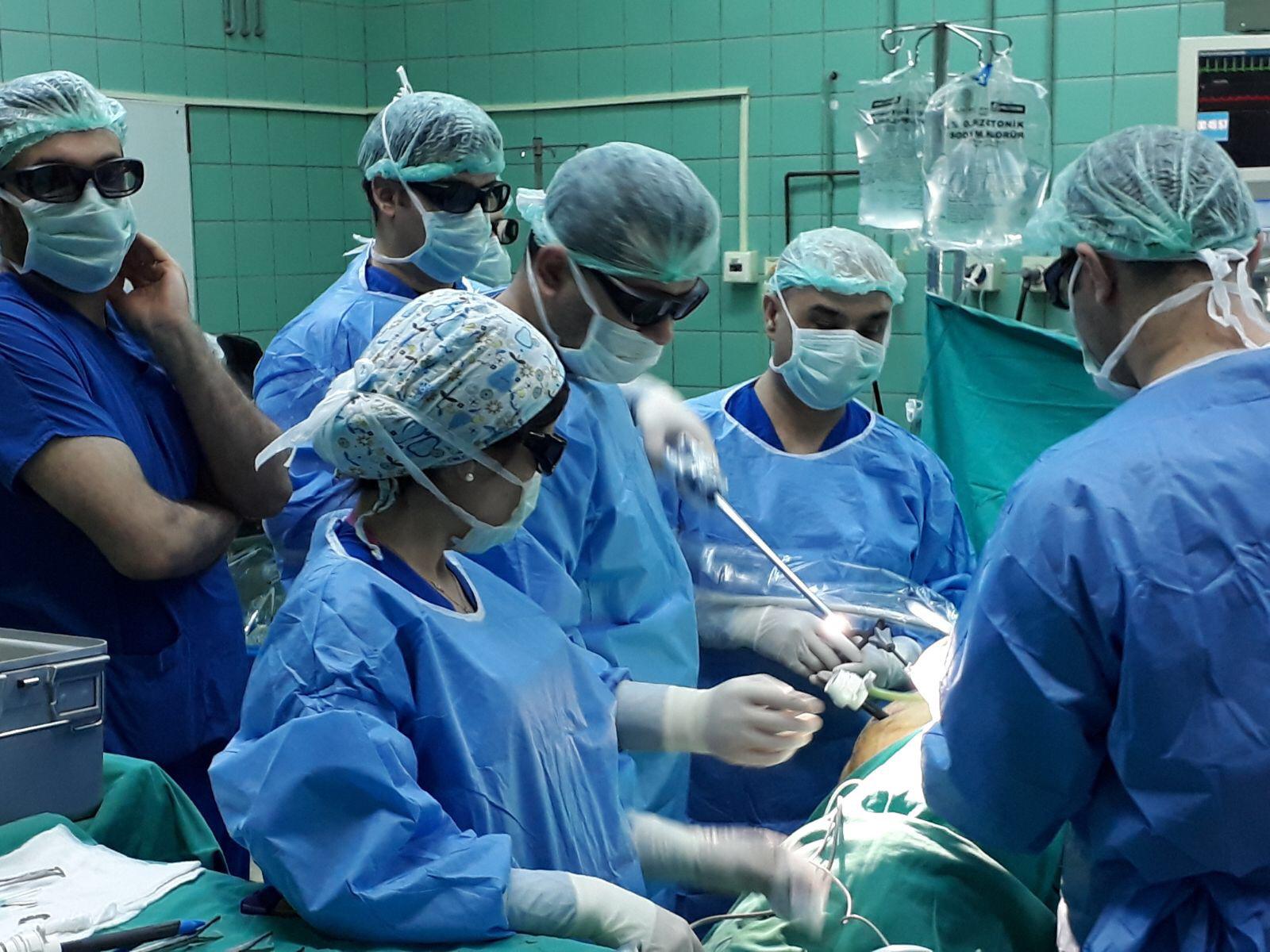
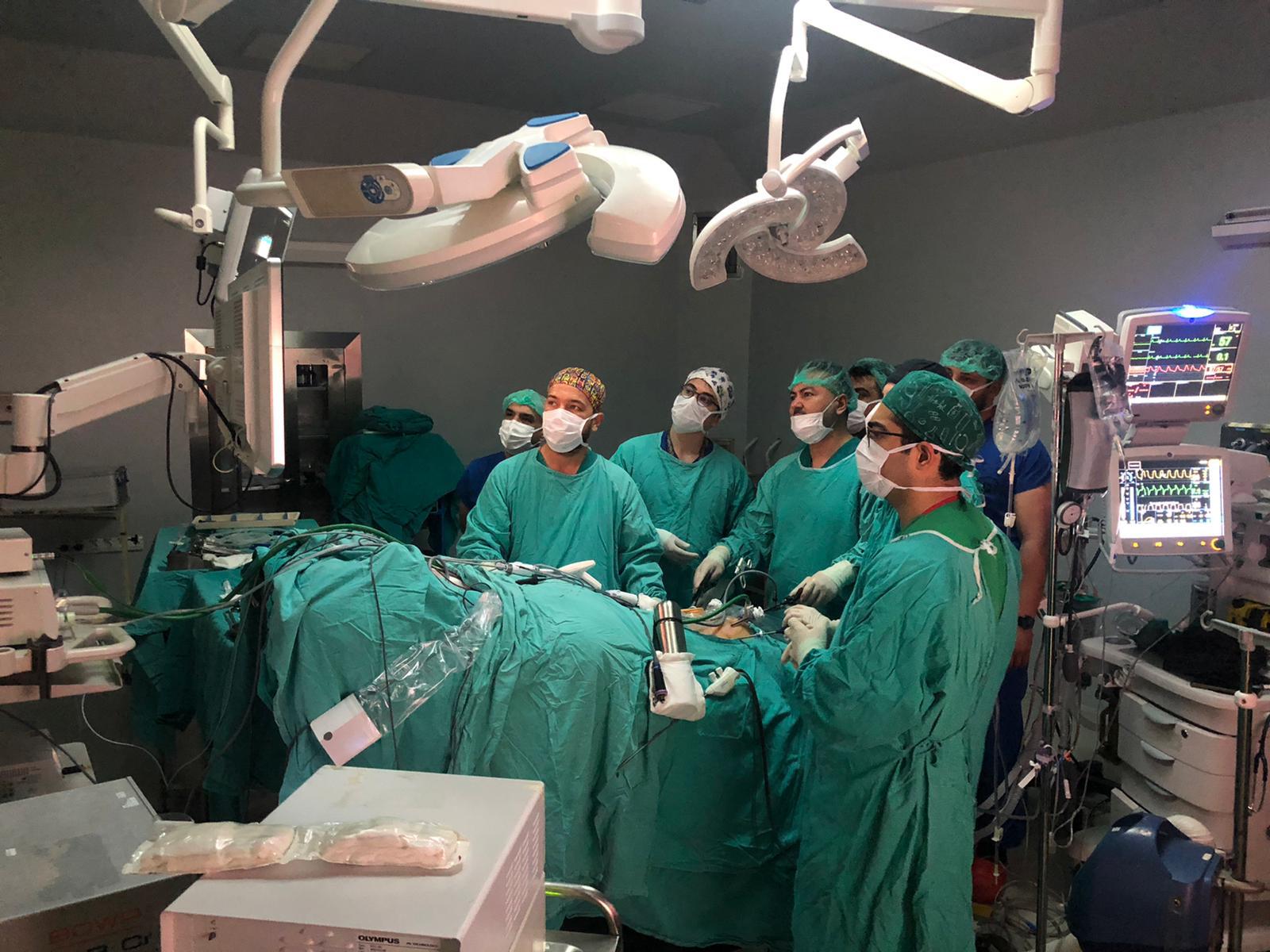
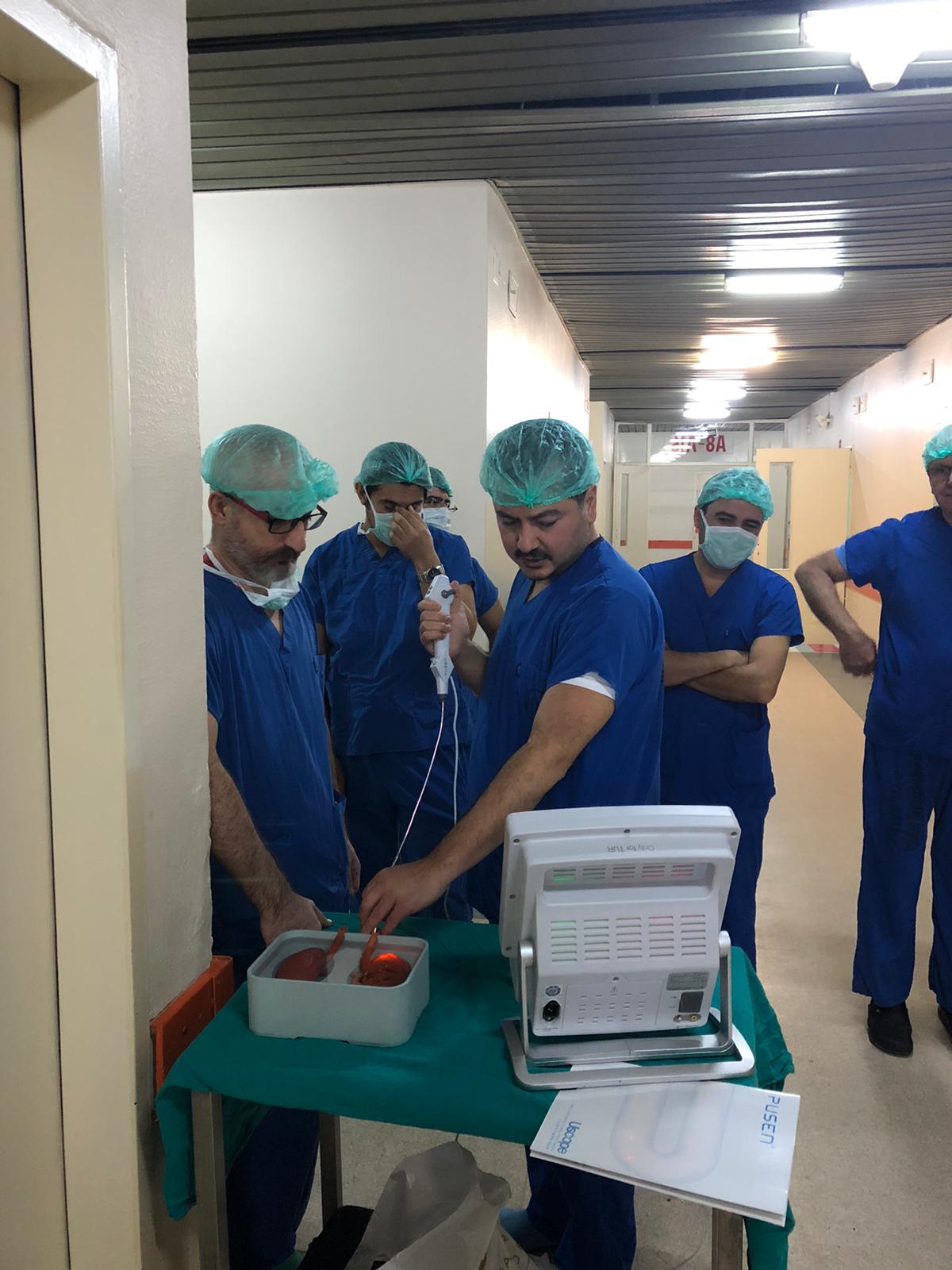
Learning Objectives for the Endourology Course
Laparoscopic Surgery:
- Must be able to perform preoperative patient evaluations.
- They should be able to describe how to prepare a patient.
- They should be able to describe entry techniques.
- Be able to describe trocar placements.
- Be able to describe instruments and equipment.
- Be able to describe the anatomical structures of the intraperitoneal and retroperitoneal organs.
- You should be able to describe the diagnosis and treatment of complications that may arise due to pneumoperitoneum (or retroperitoneum).
- Students should be able to recognize injuries to blood vessels, visceral organs, and the intestines, and list the treatment methods.
- Be able to describe suture and knot techniques.
- They should be able to explain the precautions to take after abdominal surgery and the postoperative follow-up of patients.
Percutaneous Surgery:
- They should be familiar with the specifications of the instruments and equipment used.
- They should be knowledgeable about patient positioning and anesthesia-related details.
- They should be able to describe the techniques for insertion and list the complications that may occur during insertion.
- They should be knowledgeable about intracorporeal lithotripsy methods (Ho-YAG laser and pneumatic) and their applications.
- Be able to list the indications for a nephrostomy.
- Be able to explain the use of a C-arm fluoroscopy machine and the principles of radiation protection.
- Be able to list intraoperative complications.
- Be able to explain postoperative patient follow-up.
Retrograde Intrarenal Surgery (RIRS):
- They should be knowledgeable about patient positioning and anesthesia-related details.
- They should be knowledgeable about endoscopes (flexible and semirigid).
- Be able to list the instruments and their types used at various stages of RIRS.
- Be able to explain ureteral access techniques.
- Be able to list intraoperative complications and explain methods for their prevention and treatment.
- Be able to identify early and late postoperative complications.
- Be able to explain postoperative patient follow-up.
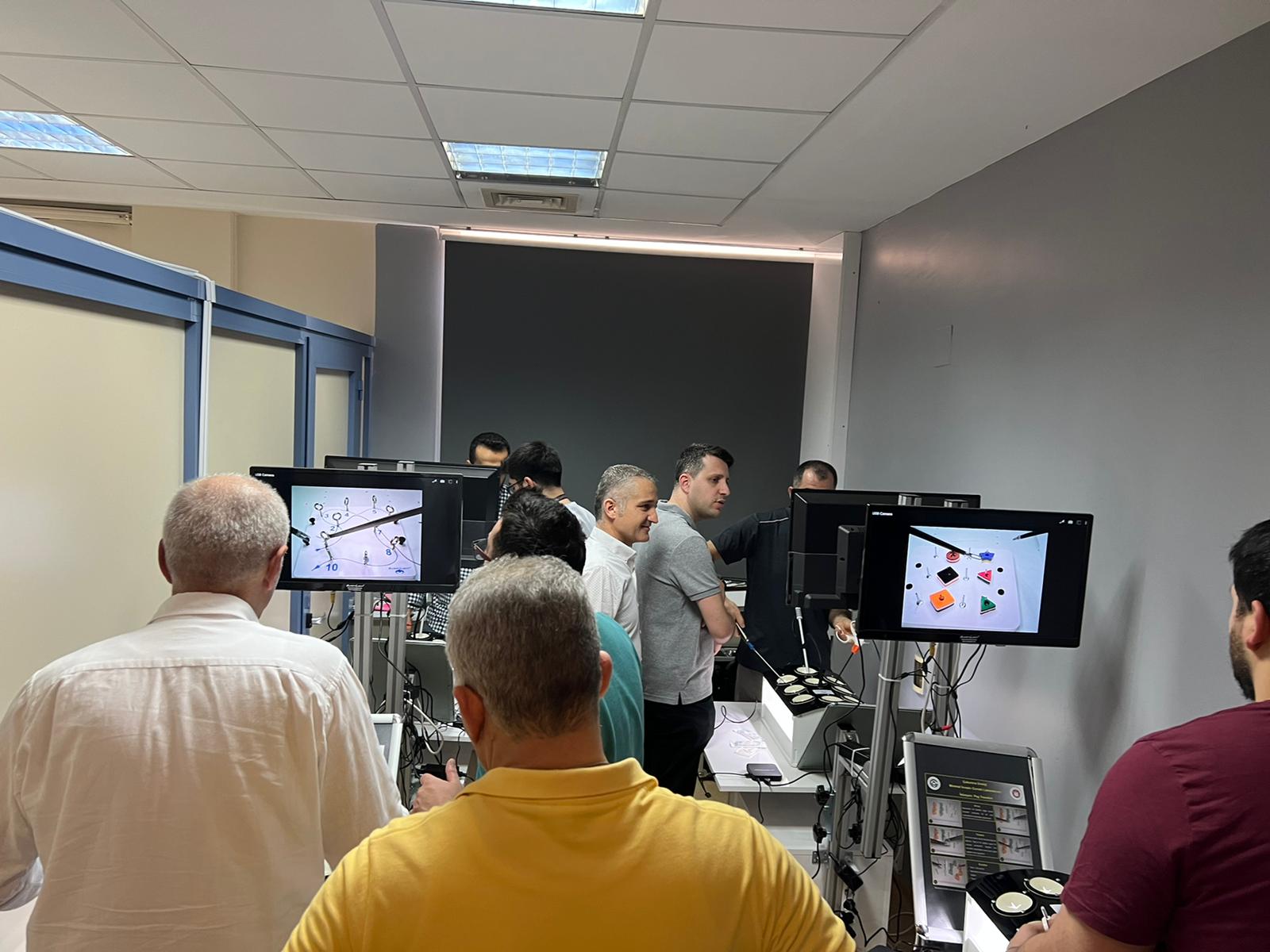
Laparoscopy Training Kits:
- You should be familiar with laparoscopic surgical instruments
- They should be able to actively use both hands in a coordinated manner
- Be able to perform excisions along the correct margins using scissors
- The needle should be usable for both forehand and backhand strokes
- Must be able to apply simple surgical sutures
TXT